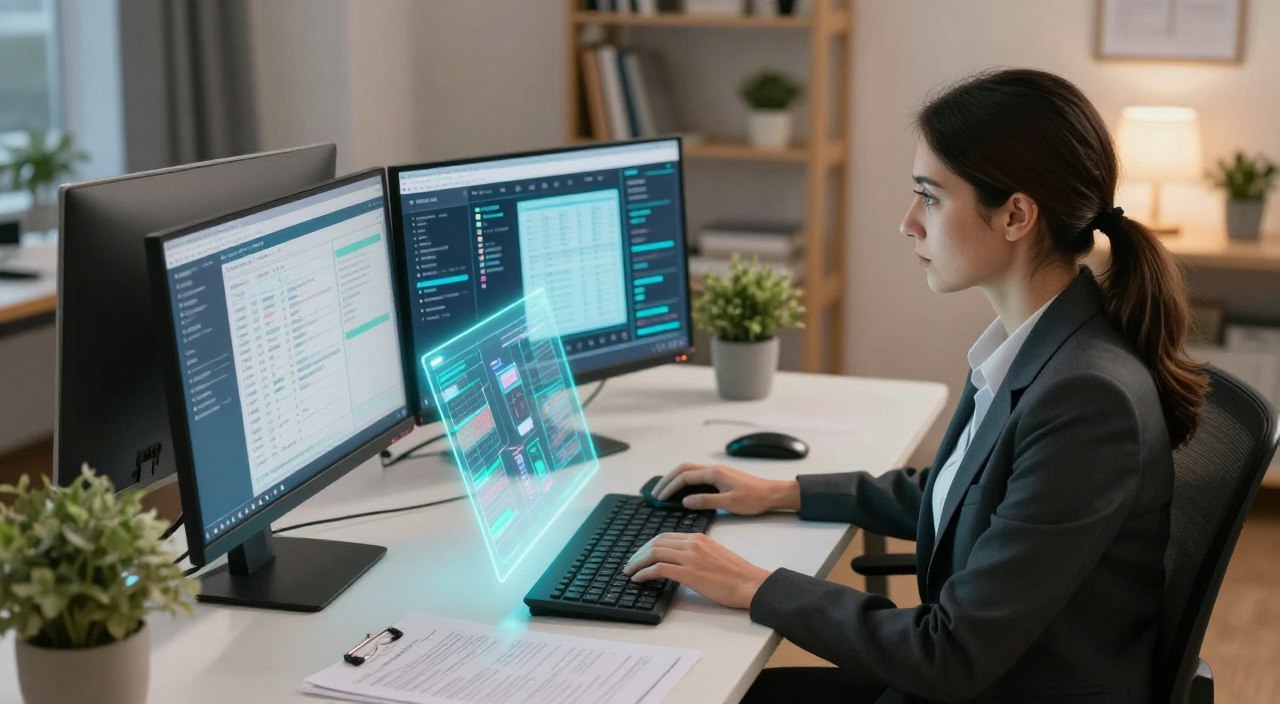
The healthcare world is changing fast. By 2026, we’ll see a big increase in virtual health scribe and remote staff jobs. This is because telemedicine and digital health are becoming more popular.
Healthcare services will change a lot, focusing more on being flexible and easy to get. Medical assistant remote jobs will play a big role. They help doctors focus on patients while using tech to make work easier.
This change isn’t just about new tech. It’s about making healthcare better for everyone. As things change, knowing about remote healthcare jobs will be key.
The Growing Landscape of Healthcare Remote Work
The healthcare industry is moving towards more remote work. This change is thanks to new technology and the needs of patients. There’s been a big increase in demand for certain remote healthcare jobs, with some areas seeing a 975% rise.
Historical Development of Telehealth Services
Telehealth services have grown a lot over time. They’ve moved from simple phone calls to complex online care platforms. This growth is due to better technology, changes in healthcare rules, and more patients using these services.
In the early 2000s, telehealth started with basic services like remote consultations. As technology got better, so did the services. Now, we have roles like remote medical assistants.
Impact of Technology on Healthcare Delivery
Technology is key to the growth of remote healthcare. New digital tools, electronic health records, and data analysis help doctors care for patients from afar. AI and ML are making telehealth even better, making it more efficient and tailored to each patient.
So, jobs like telehealth MA and EMR specialist remote are becoming vital. They help with virtual care and managing patient data from anywhere.
Why Medical Assistant Remote Jobs Are Projected to Surge by 2026
Several key factors are driving the surge in medical assistant remote jobs by 2026. The healthcare industry is changing fast. This is due to new technology, patient preferences, and the need for cost savings.
Healthcare Industry Digital Transformation
The healthcare industry is moving online. This is making remote medical assistant jobs more common. With the rise of electronic health records and telehealth, there’s a big need for tech-savvy medical assistants.
Patient Preference Shifts Toward Virtual Care
Patients are now preferring virtual care. They like the convenience and flexibility it offers. This change is making healthcare providers look for medical assistants who can handle virtual care.
Cost-Effectiveness for Healthcare Systems
Remote medical assistant jobs are also cost-effective. They help healthcare systems save money by reducing overhead costs. This is a big reason why remote medical assistant jobs are expected to grow.
Essential Skills for Medical Assistant Remote Success
When you start working as a medical assistant from home, you’ll need to learn new skills. This job is about using technology, talking clearly, and organizing your work well. It’s different from working in an office.
Technical Proficiencies Required
Remote medical assistants need to know how to use many tools and systems. They must be good with electronic medical records and telehealth platforms.
Electronic Medical Record Systems
Electronic Medical Records (EMR) are key for keeping patient data online. As a remote medical assistant, you’ll need to know how to use these systems. You’ll update records, schedule visits, and talk to doctors.
Telehealth Platforms
Telehealth platforms are very important for healthcare today. You’ll need to be good at using them for virtual visits, talking to patients, and other tasks.
| Technical Skill | Description | Importance Level |
|---|---|---|
| EMR Systems | Navigating digital patient records | High |
| Telehealth Platforms | Facilitating virtual consultations | High |
| Virtual Communication Tools | Effective online communication | Medium |
Virtual Communication Excellence
Good communication is key when you work from home. As a virtual health scribe or telehealth MA, you’ll talk to patients and doctors online. You need to be clear in your words and use digital tools well.
“The art of communication is the language of leadership.” – James Humes
Self-Management and Organization
Working from home needs a lot of self-motivation and organization. You must manage your time, set priorities, and keep a tidy workspace. This helps you meet your job’s demands.
By working on these skills, you’ll do great as a remote medical assistant. You’ll help shape the future of healthcare.
Educational Requirements and Certifications
Thinking about a career as a remote medical assistant? It’s important to know about the education and certifications needed. The healthcare world is changing fast. This means medical assistants’ roles are getting more specific, even when working from home.
Traditional Medical Assistant Qualifications
Medical assistants usually get their training through postsecondary programs. These are found at vocational schools, community colleges, or technical schools. You can earn a certificate, diploma, or even an associate’s degree.
These programs teach both the administrative and clinical sides of healthcare. They prepare you for many tasks in healthcare settings.
Telehealth-Specific Certifications
Telehealth is becoming more common, and so are special certifications for medical assistants. Getting certified as a Telehealth Medical Assistant can boost your career. These certifications focus on telehealth, managing electronic health records, and talking to patients online.
Continuing Education for Remote Healthcare
Continuing education is key in the fast-changing world of remote healthcare. As a remote medical assistant, you must keep up with new technologies and best practices. Professional organizations offer courses and workshops to help you stay current and competitive.
Types of Medical Assistant Remote Positions in 2026
Technology and healthcare needs are changing fast. This means more medical assistant jobs will be remote by 2026. These jobs are becoming more flexible and focused on patient care. Medical assistants will have many options for remote work.
Virtual Health Scribe Opportunities
Virtual health scribe jobs are getting more common. They let medical assistants help doctors by recording patient info and keeping records. You need good tech skills, attention to detail, and can work well alone online.
Telehealth MA Responsibilities and Roles
Telehealth medical assistants are key in virtual patient care. They might set up appointments, talk to patients first, and help with online visits. They must know how to use digital tools and talk clearly with patients and doctors.
EMR Specialist Remote Positions
EMR specialists are needed more than ever as healthcare goes digital. They keep patient records current, follow rules, and fix EMR problems. It’s a job that needs tech savvy and attention to detail.
Patient Coordinator Hybrid Models
Patient coordinator jobs mix online and in-person work. Medical assistants manage patient schedules, talk to doctors, and help with care changes. It’s a role that needs good communication and organization skills.
Top Industries Hiring Remote Medical Assistants
Virtual healthcare is on the rise, leading to more jobs for remote medical assistants. This change is because of the need for telehealth, managing electronic medical records, and caring for patients online.
Here are the main industries looking for remote medical assistants:
Telemedicine Providers and Platforms
Telemedicine companies are big employers of remote medical assistants. They offer virtual healthcare services. This means these professionals manage patient interactions, update records, and help during online doctor visits. Teladoc and Amwell are leading in hiring telehealth MAs.
Insurance Companies and Health Plans
Insurance companies and health plans are also hiring remote medical assistants. They need help with patient inquiries, claims, and member support. This job involves working with doctors to clarify patient info and ensure billing is correct. UnitedHealthcare and Aetna are examples of companies in this sector that hire remote MAs.
Healthcare Technology Innovators
Healthcare tech innovators, like those who make EMR systems and telehealth platforms, are hiring remote medical assistants too. These roles include testing new tech, training staff, and following healthcare rules. Epic Systems and Cerner are big names in this field.
These industries offer many chances for remote medical assistants, from beginner roles to specialized ones like EMR specialists. As healthcare keeps changing, the need for skilled remote medical assistants will likely grow in these and other fields.
Salary Expectations for Remote Medical Assistants in 2026
Remote medical assistants’ salaries in 2026 will depend on their experience and qualifications. The healthcare industry’s growth in telehealth means it’s key to know what to expect. This is important for both employers and job seekers.
Entry-Level Position Compensation
Starting out in remote medical assisting, salaries can differ. They depend on where you live and who you work for. But, on average, newbies can make between $30,000 to $40,000 a year.
- Typical tasks include setting up appointments and keeping patient records.
- Some jobs may also offer extra perks like health insurance or retirement plans.
Experienced Remote Medical Assistant Earnings
Those with more experience, like specialized skills or certifications, can earn more. Experienced remote medical assistants can make between $45,000 to $60,000 or more yearly.
- More advanced roles, like patient coordinator hybrids, need both tech and people skills.
- Jobs with complex tasks or supervisory roles might pay more too.
Crafting Your Resume for Medical Assistant Remote Jobs
To stand out in the remote medical assisting field, your resume must highlight your skills. When applying for remote medical assistant jobs, make sure your resume shows your experience and qualifications.
Highlighting Relevant Technical Skills
Your technical skills are key in remote medical assisting. Show you’re good with healthcare software and technologies.
Software Proficiencies to Emphasize
- Electronic Health Records (EHR) systems
- Telehealth platforms
- Practice management software
Remote Work Experience Documentation
Show you can work well remotely. Mention your time management, ability to work alone, and keeping patient info private online.
Showcasing Virtual Patient Care Experience
Highlight your virtual patient care experience. Include any telehealth or remote monitoring work. Share how you’ve used tech to help patients.
Emphasizing Telehealth Knowledge and Training
Show you know about telehealth. Mention any certifications or training you’ve had. This could be from virtual health scribe or telehealth MA roles.
- Telehealth certification programs
- Training in virtual patient communication
- Experience with remote patient monitoring systems
Building a Professional Digital Portfolio
Creating a professional digital portfolio is key for remote medical assistants. It shows your skills and helps you stand out. Your portfolio is a detailed showcase of your abilities and achievements.
Essential Components to Include
When making your digital portfolio, include these important parts:
- Certifications and licenses for your role as a remote medical assistant
- Examples of your work, like EMR specialist remote projects or patient coordinator hybrid experiences
- Testimonials from past employers or clients
- Continuing education and professional development activities
A good portfolio shows your range and skill.
| Component | Description | Example |
|---|---|---|
| Certifications | Relevant certifications for remote medical assistants | CMA, RMA, or certified EMR specialist |
| Work Examples | Projects or experiences showing your skills | EMR implementation projects or patient care coordination examples |
| Testimonials | Feedback from employers or clients | Positive reviews or recommendations |
Platforms for Hosting Your Healthcare Portfolio
There are many platforms for hosting your digital portfolio. Some top choices are:
- Website builders like Wix or Squarespace
- Professional networking sites such as LinkedIn
- Specialized portfolio platforms like Contently or Behance
Networking Strategies for Remote Healthcare Opportunities
As a remote medical assistant, it’s key to grow your professional network. This helps you find new job chances and keep up with the latest in healthcare. Good networking can lead to partnerships, mentorship, and job openings you might not find elsewhere.
Professional Organizations for Medical Assistants
Joining professional groups is a big step in networking. Groups like the American Association of Medical Assistants (AAMA) and the National Healthcareer Association (NHA) provide resources and training for medical assistants. They host events, webinars, and conferences that connect you with others in the field.
- Go to local chapter meetings to meet other professionals.
- Join online forums and discussion groups hosted by these groups.
- Use continuing education chances to improve your skills and get certified.
Virtual Healthcare Conferences and Events
Virtual healthcare events are now more common. They let you network with people all over the world. These events cover topics like telehealth and remote medical assisting, from tech to patient care.
- Search for conferences on telehealth, medical assisting, and healthcare tech.
- Chat with speakers and attendees in Q&A sessions and forums.
- Stay in touch with new contacts after the event to grow your network.
Job Search Platforms for Medical Assistant Remote Positions
When looking for remote medical assisting jobs, you’ll find many job search platforms. These platforms are designed to help you find the right remote medical assistant role. The digital world offers a variety of options for your search.
Healthcare-Specific Job Boards
Healthcare-specific job boards are great for finding remote medical assistant jobs. Some top platforms include:
- HealthJobsNationwide
- MedicalJobs
- HealthcareJobSite
| Job Board | Specialization | Remote Job Availability |
|---|---|---|
| HealthJobsNationwide | General Healthcare | High |
| MedicalJobs | Medical Specialties | Moderate |
| HealthcareJobSite | Healthcare Administration | High |
Remote Work Platforms with Medical Categories
Remote work platforms with medical categories are also key for your search. These platforms list various remote medical assistant roles. This includes jobs like virtual health scribe and EMR specialist remote positions.
Using these job search platforms can help you find and apply for remote medical assistant jobs. You can find roles that fit your skills and preferences.
Mastering the Application Process
To succeed in remote medical assistant jobs, mastering the application process is key. With the rise in telehealth services, the competition for telehealth MA positions, like patient coordinator hybrid roles, is fierce.
Customizing Applications for Each Position
It’s vital to tailor your application for each job. Read the job description carefully. Then, adjust your resume and cover letter to show off your relevant skills and experiences.
Writing Compelling Cover Letters
A good cover letter can make a big difference. It should introduce you, show your interest in the job, and highlight your qualifications.
Highlighting Remote Work Capabilities
Show you can work well remotely. Mention your experience with digital tools and your ability to stay motivated.
Demonstrating Technical Proficiency
Show you know your way around telehealth platforms and electronic health records (EHRs). This is important for the job.
| Key Skills | Relevant Technologies | Telehealth Experience |
|---|---|---|
| Virtual communication | EHR systems | Patient coordination |
| Self-motivation | Telehealth platforms | Remote patient monitoring |
| Technical proficiency | Digital scheduling tools | Virtual health education |
Following Up Effectively
After applying, it’s important to follow up. This shows you’re really interested in the job. It can also keep you in the hiring team’s mind.
Excelling in Virtual Interviews
To get a remote medical assistant job, you need to ace virtual interviews. You must be tech-savvy, know common questions, and show you’re ready for remote work.
Technical Preparation for Video Interviews
Make sure your tech works by checking your internet, webcam, and microphone. Get familiar with the video platform you’ll use. For more tips, visit Virtual Vocations.
Common Remote Medical Assistant Interview Questions
Be ready to talk about your EHR experience, virtual patient communication, and organizational skills. Knowing these questions can boost your confidence.
Showcasing Your Remote Work Readiness
Show you can work alone, manage time well, and keep patient info private remotely. Talk about any remote work experience or training you have.
By focusing on these points, you’ll do great in a virtual interview for a remote medical assistant role.
Setting Up Your HIPAA-Compliant Home Office
Having a HIPAA-compliant home office is key for an EMR specialist remote job. As a remote medical assistant, you deal with sensitive patient info. It’s your duty to keep this info safe and private.
Essential Equipment and Technology
To make your home office HIPAA-compliant, you need the right gear and tech. This includes a secure computer, a reliable internet, and encrypted ways to talk. Having a dedicated space helps keep patient info safe from distractions.
Here’s what you need for a HIPAA-compliant home office:
| Equipment/Technology | Description |
|---|---|
| Secure Computer System | Make sure your computer has the latest antivirus and a firewall. |
| Reliable Internet Connection | Get a stable and secure internet to avoid data leaks. |
| Encrypted Communication Tools | Use encrypted emails or messages to talk to patients and healthcare teams. |
Privacy and Security Requirements
Keeping patient info private is a big deal for remote medical assistants. You need strong privacy and security steps in your home office. This means making policies for patient data, learning about HIPAA, and checking up on your work often.
By setting up a HIPAA-compliant home office, you protect patient data. This builds trust with patients and healthcare teams.
Overcoming Challenges in Remote Medical Support Roles support Roles
Working as a remote medical assistant comes with its own set of challenges. These challenges need quick and effective solutions to keep patient care top-notch. Moving to remote work has many benefits, but it also brings its own set of hurdles.
Maintaining Patient Connections Virtually
One big challenge is keeping patient connections strong when you’re not in the same room. Using video calls can help you feel closer to your patients, even from afar. Also, patient portals make it easy for patients to get their medical info and stay in touch with you.
Managing Work-Life Boundaries
Remote work can make it hard to separate work from personal life. Having a dedicated workspace and clear boundaries with loved ones helps keep things balanced. It’s also key to stick to a routine and take breaks to avoid getting too tired.
Staying Updated with Evolving Protocols
The world of healthcare is always changing, with new rules and tech popping up all the time. To keep up, take part in training and professional growth chances. Reading industry news and going to online conferences can also keep you in the loop.
| Challenge | Strategy | Benefit |
|---|---|---|
| Maintaining Patient Connections | Leverage video conferencing tools and patient portals | Enhanced patient engagement and satisfaction |
| Managing Work-Life Boundaries | Establish a dedicated workspace and routine | Improved work-life balance and reduced burnout |
| Staying Updated with Evolving Protocols | Participate in ongoing training and professional development | Improved knowledge and compliance with industry standards |
Your Roadmap to a Thriving Medical Assistant Remote Career
The healthcare world is changing fast, and so is the need for remote medical assistants. To do well in this field, you need to learn the key skills. These skills are vital for success in telehealth and virtual health scribing.
Getting the right education and training is important. You can shine in remote medical support jobs. Getting certifications in telehealth and virtual health scribing can boost your career. It’s also key to keep up with new trends and best practices to give top-notch care.
Think about focusing on areas like virtual health scribing or EMR specialist roles. These specializations can lead to more job chances and higher pay. By following this path, you can have a rewarding and challenging career as a remote medical assistant.
Using the latest tech and trends in telehealth will keep you ahead. Your ability to adapt and grow is essential for a fulfilling career as a telehealth MA or virtual health scribe.
FAQ
What are the primary factors driving the demand for remote medical assistants in 2026?
The main reasons for the need for remote medical assistants in 2026 are the digital shift in healthcare. Patients also want more virtual care. Plus, remote healthcare is cheaper.
What technical skills are required for a remote medical assistant?
Remote medical assistants need to know how to use electronic health records (EHRs) and telehealth platforms. They must also be good at communicating online and manage their time well.
Are there specific certifications required for remote medical assistants?
While regular medical assistant certifications are good, having telehealth-specific ones is even better. It’s important to keep learning about new telehealth tech and rules.
What types of remote medical assistant positions are available in 2026?
In 2026, you can find jobs like virtual health scribe, telehealth MA, EMR specialist, and patient coordinator. The job types depend on the employer and what they need.
Which industries are hiring remote medical assistants?
Companies like telemedicine providers, insurance firms, and healthcare tech companies are looking for remote medical assistants.
What are the salary expectations for remote medical assistants in 2026?
Salaries for remote medical assistants vary. Beginners usually earn less, while those with more experience make more.
How can I build a professional digital portfolio as a remote medical assistant?
To create a professional digital portfolio, list your certifications, training, and experience. Use platforms made for healthcare portfolios to show off your skills.
What are the best job search platforms for remote medical assistant positions?
The best places to look for remote medical assistant jobs are healthcare job boards and remote work sites with medical sections.
How can I prepare for a virtual interview as a remote medical assistant?
Make sure your internet is stable and you have a good webcam. Be ready to answer common questions and show you’re ready to work remotely.
What are the challenges faced by remote medical assistants, and how can they be overcome?
Remote medical assistants face challenges like keeping patient connections, managing work-life, and keeping up with new rules. To overcome these, stay in touch with patients, set clear boundaries, and keep learning.
How can I set up a HIPAA-compliant home office as a remote medical assistant?
To create a HIPAA-compliant home office, have the right equipment and tech, like secure computers and encryption. Also, make sure you have privacy and security measures in place.