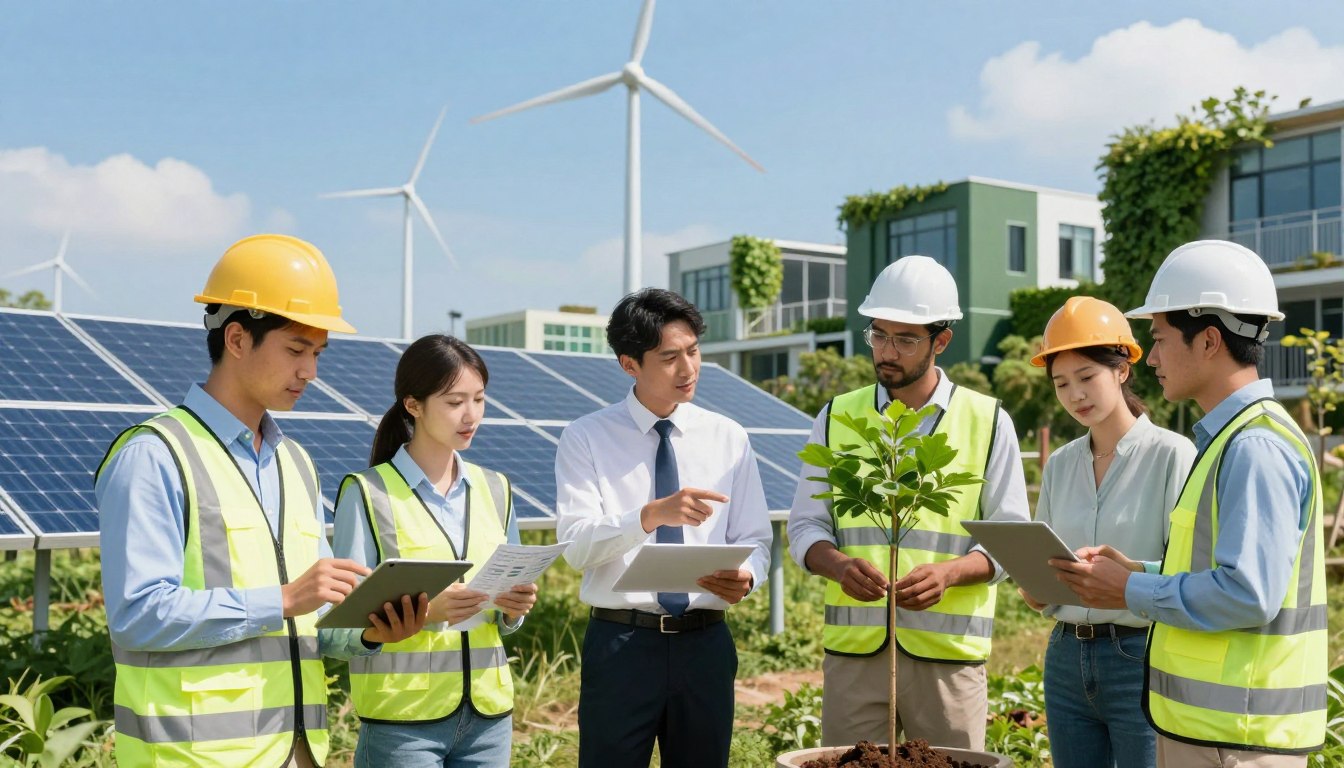
What if your next big professional opportunity isn’t in a traditional industry, but in building a better, more sustainable world?
A massive transformation is underway across the United States. It’s creating millions of new roles for skilled professionals. This shift is reshaping how we work and live.
According to Steven Cohen, Director of the M.S. in Sustainability Management at Columbia University, environmental sustainability is a field experiencing explosive growth. Major global companies are now actively adding dedicated sustainability staff to their teams.
This movement is far from a passing trend. It represents a fundamental change in how our modern global system operates. For anyone planning their professional path, understanding this dynamic sector is crucial.
Navigating the green jobs economy could be the key to securing a rewarding and long-term career. Your future may depend on being part of this exciting change.
The Green Jobs Economy Boom
This isn’t just about new industries; it’s about transforming existing ones with a focus on sustainability. The boom represents a fundamental shift in how companies operate and what skills they value.
What “Green Jobs Economy” Means for You
For professionals, this shift opens diverse career paths. Many roles now require analytic skills focused on environmental impact.
Sustainability management is about understanding technological change on people and the planet. It also means learning to manage that change effectively.
Key Drivers Behind Job Creation
Several powerful forces are fueling this growth:
- Organizations need to cut recurring costs for energy, water, and waste disposal.
- Businesses must adapt to support the climate and energy transition. This underpins adaptability and drives long-term value.
- There is growing pressure from consumers and investors for responsible practices.
This creates a sustained demand for skilled workers who can navigate these challenges. Traditional sectors are integrating these skills to remain competitive.
Data-Driven Trends in Green Jobs Growth
Labor market reports provide clear evidence of a transformative shift in employer priorities. Concrete numbers show where demand is concentrated.
This information helps you identify the most promising career paths.
Insights from the LinkedIn Green Skills Report
The 2025 LinkedIn Green Skills Report offers crucial insights. It analyzes the readiness of labor markets for the climate and energy transition.
One key finding stands out. Hiring for roles requiring green skills grew twice as fast as the share of workers who have them from 2021-2025.
The hiring rate for professionals with green skills is 46.6% higher than the global workforce average.
These capabilities are now considered core business skills. For the first time, workers applying green skills in traditional roles make up most new hires.
Energy Demand and Efficiency Data
Market analytics highlight a critical warning. Hiring currently outpaces skilling across the sector.
This data signals we must accelerate development of green skills. The whole-of-economy transition depends on closing this gap.
Understanding this information helps you position yourself for emerging opportunities.
Developing the Skills for Emerging Green Jobs
A significant skills gap is emerging, creating a major opportunity for trained professionals. This field already employs about 2.4 million people in the United States. Globally, that number is around 18 million, according to the International Energy Agency.
Many new roles involve analyzing, planning, and managing energy efficiency projects. Others focus on the hands-on engineering and installation of modern systems. The use of advanced analytics is now key to reducing waste across power grids.
New surveys in 2025 highlight a persistent challenge. There are persistent labor shortages across this growing sector. Increased efforts to attract and train workers are urgently needed.
Developing the right skill set is your crucial advantage. Targeted training and education can help you bridge this gap. This prepares you for rewarding jobs that are in high demand right now.
Opportunities in Renewable Energy and Waste Management
Two powerful sectors are driving forward the sustainable transformation: renewable energy and advanced waste management. Global investment in energy efficiency is set to hit nearly $800 billion in 2025. This represents massive growth.
How Renewable Energy is Reshaping Industries
Renewable energy is fundamentally changing how businesses operate. This shift is backed by strong data. Efficiency-related employment jumped over 6% recently.
Most of this growth is concentrated in a few key regions. The United States, China, and the European Union lead in end-use investment. This focus creates many new roles in these areas.
Innovations in Waste-to-Energy Solutions
Waste volume keeps rising worldwide. This makes innovative waste-to-energy solutions critical for cost reduction. Converting waste into power is a smart business move.
Managing initiatives to save energy and reuse materials is a key element of sector growth. These innovations are not just about disposal. They create entire new systems for resource recovery.
How Technology Is Transforming Sustainability Roles
Technology, particularly artificial intelligence, is injecting unprecedented precision into how we manage energy and combat climate challenges. This digital transformation is creating entirely new types of work focused on data analysis and intelligent planning.
AI’s Impact on Energy Planning and Analysis
Artificial intelligence presents a complex dual role. A recent International Energy Agency research report highlights that data centers will drive over 20% of global electricity demand growth by 2030.
In the United States, data center power use is projected to account for nearly half of new electricity demand. This surge could increase emissions, but AI itself offers powerful solutions to offset this impact.
AI is becoming a critical defense tool for energy companies. Cyberattacks on utilities have tripled recently, making this content of work essential for security.
Furthermore, AI can accelerate innovation in technologies like batteries and solar power. This helps address energy security and stimulates economic change. Skilled workers are needed to manage this balance between demand and efficiency.
Your role in this sector may involve optimizing energy systems or developing new planning models. This technological shift is defining the next generation of sustainability jobs.
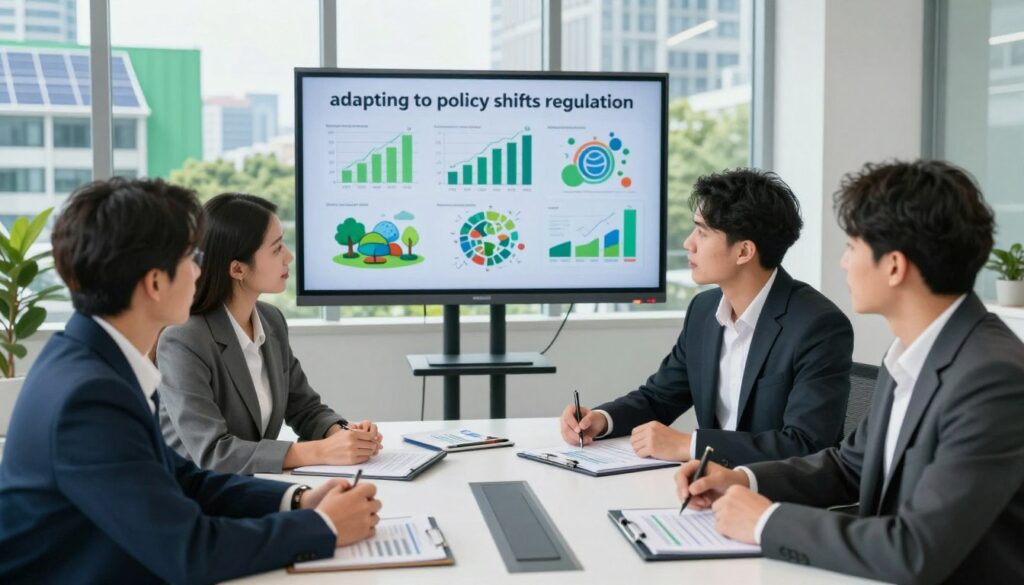
Adapting to Policy Shifts and Environmental Regulation
While political debates on environmental rules dominate headlines, the real transformation is happening in our power infrastructure. Data reveals an unstoppable trend that continues regardless of policy noise.
- Solar PV is now the cornerstone of global power sector generation growth, according to Romain Zissler of the Renewable Energy Institute.
- Preliminary 2024 data from the International Energy Agency confirms solar’s overwhelming domination.
- Battery storage capacity has likely overtaken pumped hydro, marking a timely meteoric rise.
In the United States, state and local environmental initiatives drive progress forward. This occurs despite federal anti-environmental agendas.
The relentless war on climate protection at the national level is not the only force at work. Your adaptation strategy should focus on these solid industry foundations. This sector transformation creates stable roles for skilled workers.
Your Pathways to a Career in the Green Jobs Economy
To secure a role in this expanding field, you need a clear roadmap built on specialized knowledge. Formal education programs provide the cutting-edge policy and management tools required.
Columbia University’s M.S. in Sustainability Management is a prime example. It is offered through the School of Professional Studies and the Climate School. This program is customized for working professionals.
Graduates gain expertise in life cycle assessment and greenhouse gas measurement. These sustainability metrics are in high demand across the global economy.
Investors continuously seek data on climate and environmental risk. This demand is a key driver behind the growth of management roles in this sector.
The program is available both full-time and part-time. It helps public and private organizations achieve their sustainability goals.
Your initiative to pursue such education builds critical skills. It positions you for meaningful career advancement in a dynamic field.
Wrapping Up: Charting Your Future in the Green Economy
The data is clear: building a career today means aligning with long-term trends that prioritize planetary health. This sector’s expansion offers profound prospects for professionals who understand technological change.
As highlighted in a recent industry report, the transition is a lasting shift. It continues to reshape the global market.
You can secure your future by developing analytic and management skills. These capabilities let you navigate complex sustainability challenges.
Focus on the positive impact of innovation. This approach helps organizations reduce their environmental footprint while creating value.
Your career path is supported by robust demand for skilled professionals. This field promises meaningful roles that drive real-world progress.