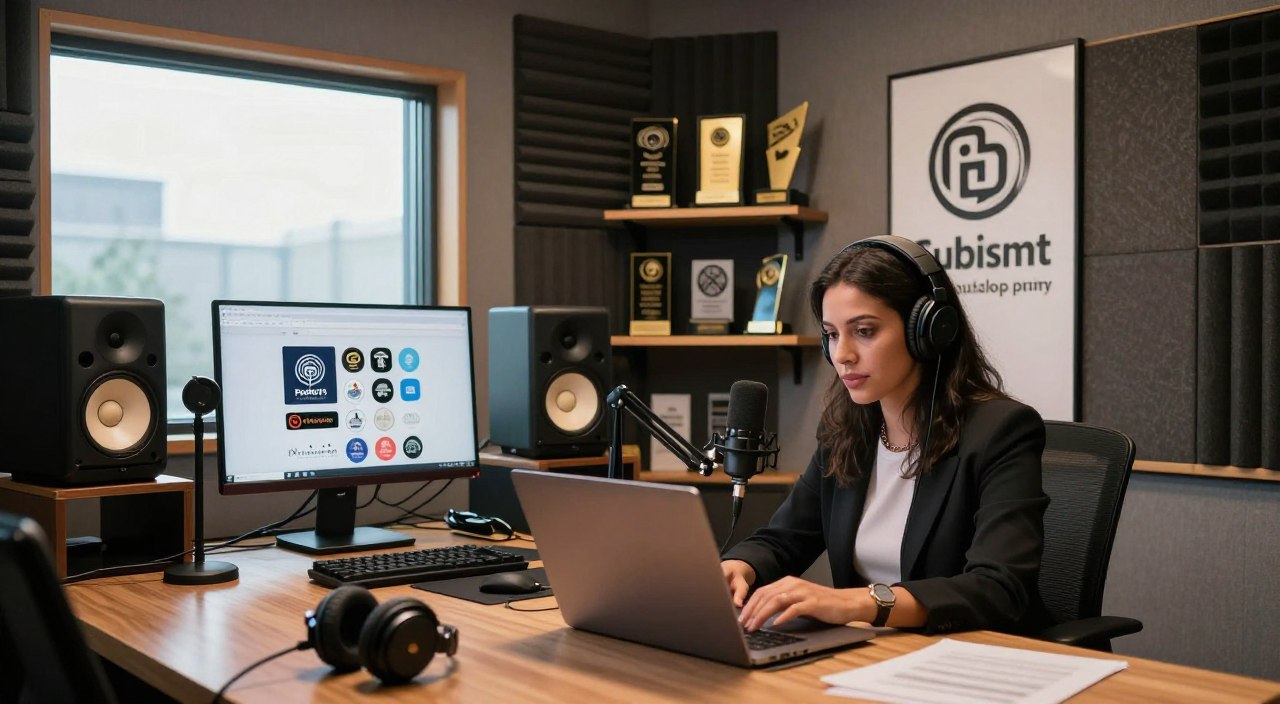
The audio industry is booming, thanks to digital content’s popularity. This boom means more jobs for skilled podcast producers.
The Bureau of Labor Statistics says producers and directors’ jobs will grow 8 percent by 2033. This is faster than most jobs. It’s a great time to start or switch to a podcast production career.
Choosing a career in podcast production means joining a vibrant field. The audio world is always changing. This means there will always be a need for talented producers and directors.
The Growing Podcast Industry Landscape
The podcast industry is booming, thanks to more people wanting audio content. This growth means more jobs for remote audio editors in podcast production.
Current Market Size and Growth Projections
The podcast world has grown a lot in the last few years. In 2022, it was worth $14.6 billion. Experts predict it will grow by 27.6% from 2023 to 2030.
Why Podcast Production is Booming in 2023
Several things are making podcast production popular. More people are listening, and companies are investing in them.
Audience Growth Statistics
More and more people are tuning into podcasts. Over 100 million Americans listen every month. They spend about 6 hours a week listening.
Corporate Investment Trends
Companies are now using podcasts to talk to their audience. This need for skilled people, like remote audio editors, is on the rise.
| Year | Market Size (Billions) | Growth Rate (%) |
|---|---|---|
| 2022 | 14.6 | 20 |
| 2023 | 18.6 | 27.6 |
| 2024 | 23.7 | 27.6 |
The industry’s growth means more jobs for skilled people, like remote audio editors. This is a great chance for those wanting to work in podcast production.
What Does a Podcast Producer Actually Do?
As a podcast producer, you do a lot. You plan before recording and edit after. You work with the host, audio engineers, and others to make sure the content is top-notch.
Day-to-Day Responsibilities
Your daily tasks might include:
- Coordinating with guests and hosts to schedule recordings
- Managing the production timeline to meet release deadlines
- Overseeing the recording process to ensure quality audio
- Supervising the editing process to maintain content consistency
Types of Podcast Production Roles
Podcast production has different roles, each with its own duties:
Pre-Production Planning
This stage is about researching and planning content. You create outlines and schedule recordings.
Production Management
During production, you handle the recording. You make sure everything technical goes smoothly.
Post-Production Workflow
In post-production, you focus on editing, mixing, and mastering. You aim for the best audio quality.
Difference Between Producer and Audio Engineer
Producers and audio engineers are both key in podcasting. But they focus on different things. Producers handle the big picture, like planning and scheduling. Audio engineers focus on the technical side of recording and editing.
Producers also work with rss feed managers. They make sure the podcast is shared on different platforms.
Podcast Producer Careers: Pathways to Success
The podcast industry is booming, opening up many career paths for producers. There are roles for all skill levels and interests.
Entry-Level Opportunities
Starting in podcast production is both exciting and challenging. You can start by helping experienced producers. This way, you learn about audio editing, content creation, and managing projects.
Many companies offer internships or entry-level jobs. These can help you get your first job in the field.
Mid-Career Transitions
If you work in broadcasting or audio engineering, you can switch to podcast production. Your skills are valuable here. You can take on more senior roles.
Consider taking courses or getting certified in podcast production. This can make you more competitive.
Senior Producer Positions
With experience and a good portfolio, you can become a senior producer. You’ll oversee productions and lead teams. There are two main paths: corporate podcast management and leading an independent studio.
Corporate Podcast Management
In this role, you manage a company’s podcasting efforts. This includes creating content, producing, and distributing it. You’ll work with stakeholders to develop strategies and ensure content meets company goals.
Platforms like Spotify and Anchor Pro are useful. They help you distribute your content and reach more people.
Independent Studio Leadership
If you like working alone, you can lead your own studio. You’ll produce podcasts for clients and manage a team. This role needs strong business skills and production knowledge.
You’ll need to market your services, manage client relationships, and keep up with industry trends and technologies.
Knowing the different career paths helps you make informed choices. This way, you can take advantage of the many opportunities in the podcast industry.
Essential Skills for Podcast Production Excellence
To make great podcasts, you need technical skills, creativity, and good management. Being good at many things is important.
Technical Audio Production Skills
Knowing how to record, edit, and mix audio is key. You should be familiar with tools like Adobe Audition or Pro Tools. Also, understanding acoustics and how to use microphones is important for a professional sound.
Content Development and Storytelling
Creating interesting content is essential. You should know how to tell stories, conduct interviews, and organize episodes well. Knowing your audience and making content they like is important for success.
Project Management Abilities
Managing projects well is important. This includes planning, organizing, and getting things done on time and within budget.
Client Communication
Talking clearly with clients is vital. You should understand what they need, keep them updated, and meet their expectations. Good communication builds trust and can lead to more work.
Deadline Management
Meeting deadlines is critical, as podcasts are often released regularly. You need to plan, use resources wisely, and track progress to deliver on time. Good deadline management keeps your podcast quality high.
Knowing about content syndication can also help. It’s about sharing your podcast on different platforms to reach more people. Using various channels can make your podcast more visible and attract new listeners.
Technical Equipment and Software Requirements
Creating a great podcast needs top-notch technical gear and software. The right tools can greatly improve your podcast’s sound, whether you’re in a studio or recording from home.
Essential Recording Equipment
You’ll first need reliable recording equipment. This includes microphones and audio interfaces for capturing clear audio.
Microphones and Audio Interfaces
Choosing a good microphone is key. The Shure SM7B and Rode NT1-A are favorites among podcasters. You’ll also need an audio interface, like the Focusrite Scarlett series, to connect your mic to your computer.
Monitoring Equipment
Good monitoring is vital for catching audio problems during recording. Invest in quality headphones, such as the Sony MDR-7506 or Audio-Technica M50x.
Audio Editing Software Options
After recording, you’ll need to edit your audio. Adobe Audition, Logic Pro X, and Audacity are popular choices. As a remote audio editor, mastering these tools is essential for top-notch audio.
“The key to great podcasting is not just the equipment, but how you use it.”
Remote Recording Solutions
Remote podcasting has grown, making tools like Zoom, Skype, and SquadCast key. They let you record guests or co-hosts from anywhere, making podcasting easier.
Building your podcast toolkit? Think about your project’s needs. Whether recording locally or remotely, the right gear and software are vital for a professional-sounding podcast.
Building Your Podcast Production Education
Podcast production needs technical, creative, and managerial skills. You can get these through education. You have to choose between formal classes and learning on your own.
Formal Education vs. Self-Teaching
Getting a degree in podcasting or audio engineering is a good start. Colleges and universities now have courses and degrees in these areas. But, learning by yourself can be flexible and cheaper. Many podcast producers learned through online tutorials and hands-on work.
It’s smart to mix both. You could take a course in audio production and then learn more with online tutorials. This way, you get the best of both worlds.
Recommended Courses and Certifications
Many places offer special courses and certifications in podcast production. Sites like Coursera, Udemy, and LinkedIn Learning have courses on audio production and podcasting. Getting certified shows you’re an expert, which can help you find jobs or clients.
| Course/Certification | Description | Provider |
|---|---|---|
| Audio Production Course | Comprehensive course covering the basics of audio production | Coursera |
| Podcasting Certification | Specialized certification focusing on podcast production techniques | Podcast Academy |
| Editing for Podcasting | Advanced editing techniques for podcast producers | Udemy |
Learning Resources for Beginners
There are many resources for beginners. Books and online tutorials are great for learning the basics and getting hands-on experience.
Books and Online Tutorials
Books like “Podcasting: The Do-It-Yourself Guide” and “The Audio Production Guide” are good starting points. YouTube, LinkedIn Learning, and Podcast Insights have tutorials on recording and managing RSS feeds.
“The key to success in podcasting is consistency and quality. Continuous learning and improvement are essential.” –
Podcast Production Communities
Being part of podcast production communities is very helpful. These groups let you network, share knowledge, and keep up with trends. Look for online forums, social media groups, and local meetups.
By using these educational paths and resources, you can improve your skills in podcast production. Whether you choose formal education, self-learning, or a mix, keep learning and growing in your career.
Developing Your Remote Audio Editor Expertise
To succeed as a remote audio editor, you need to learn many skills. The podcast world is growing fast, thanks to Spotify and Anchor Pro. This means more people want high-quality audio.
Fundamental Editing Techniques
Learning basic editing skills is key. You’ll need to know how to use digital audio workstations (DAWs). Also, mastering noise reduction, mixing, and mastering is important.
Noise Reduction and Cleanup
Getting rid of noise and cleaning up audio is a must. Tools like noise gates and spectral editing can make a big difference. As
“The key to great audio is not just about making it sound good, but about making it sound consistent.”
This consistency keeps listeners interested.
Mixing and Mastering Basics
Knowing the basics of mixing and mastering is essential. It’s about balancing levels, EQing tracks, and making sure the mix sounds good. Using software like Adobe Audition can help.
Advanced Sound Design Skills
Advanced sound design skills can take your work to the next level. This includes making and editing sound effects, adding audio effects, and designing audio landscapes. These skills can really bring a podcast to life.
Remote Collaboration Tools and Workflows
Working remotely means using tools like Slack, Trello, or Asana. These tools help you work better with others. Also, knowing how to use cloud-based DAWs is important for working with teams from anywhere.
By focusing on these areas and keeping up with new trends, you can become a top remote audio editor. This is key for success in the podcast world.
Mastering RSS Feed Management for Podcasts
Getting your podcast out there starts with good RSS feed management. As a podcaster, you must grasp the details of RSS feed management. This ensures your podcast reaches as many people as possible. It’s not just about tech skills; it’s about fitting it into your content syndication roles.
Understanding Podcast Distribution Architecture
Podcast distribution is complex, with many platforms and directories involved. Your RSS feed is key, connecting your content to various places. Knowing this architecture helps your podcast get seen more.
RSS Feed Manager Responsibilities
An RSS feed manager’s job is to keep the feed right, up-to-date, and ready for different platforms. This means:
- Checking feed performance
- Fixing problems
- Improving feed elements for better visibility
Tools and Platforms for Effective Feed Management
There are many tools and platforms for managing feeds well. Here are a few:
| Tool/Platform | Description | Features |
|---|---|---|
| Podbean | Podcast hosting platform | Easy feed management, distribution to major platforms |
| Anchor | All-in-one podcasting platform | Free hosting, distribution, and analytics |
| Castos | Podcast hosting and analytics | Detailed analytics, easy feed management |
Troubleshooting Common Feed Issues
Problems like feed validation errors, missing episodes, or wrong metadata can happen. Regular checks and the right tools help fix these. For tougher issues, Multitude Productions offers expert advice.
Optimizing for Discovery
To get your podcast found, use the right keywords, accurate metadata, and submit to many directories. This boosts your podcast’s visibility and reaches more listeners.
Leveraging Spotify and Anchor Pro for Professional Production
Using platforms like Spotify and Anchor Pro can really boost your podcast’s quality. They have many tools and features. These can help you make great podcasts, reach more people, and make money from your work.
Platform-Specific Production Requirements
It’s key to know what Spotify and Anchor Pro need for your podcast. This includes how to format your podcast, the audio quality, and how to fill in metadata. Meeting these needs can make your podcast easier to find and listen to.
Monetization Opportunities
Spotify and Anchor Pro both have ways for podcasters to make money. Spotify has Spotify Podcast Ads, and Anchor Pro has Anchor Sponsorships. Knowing these options can help you pick the best way to make money from your podcast.
Analytics and Growth Strategies
Analytics are very important for growing your podcast’s audience. Spotify and Anchor Pro give you tools to see how people listen to your podcast. This includes who they are and how they engage with your content.
Audience Targeting
With this data, you can make your podcast more appealing to your audience. This can make people more engaged and loyal. It also helps you find new ways to grow your podcast.
Performance Optimization
Using the analytics from these platforms, you can improve your podcast’s performance. You can adjust your content, marketing, and where you share your podcast. This can lead to more listeners and greater success.
By using the tools and features of Spotify and Anchor Pro, you can elevate your podcast. You can improve its quality, engage more listeners, and make more money.
Content Syndication Roles in the Podcast Ecosystem
Content syndication is key in the podcast world. It lets creators share their shows on many platforms. As a producer, knowing how to syndicate well is important to reach more people.
Understanding Podcast Syndication Strategy
Creating a good syndication plan means picking the best places to share your podcast. You should look at big names like Spotify, Apple Podcasts, and Google Podcasts. Using RSS feed managers can make it easier to get your podcast out there.
Maximizing Distribution Channels
To get your podcast heard by more people, share it on different platforms. Here are some ideas:
- Popular podcast platforms (Spotify, Apple Podcasts, etc.)
- Social media integration
- Your own website or blog
Measuring Syndication Success
To see if your syndication is working, you need to track important numbers.
Key Performance Indicators
| KPI | Description |
|---|---|
| Downloads | Total number of podcast downloads |
| Subscribers | Number of new subscribers gained |
| Engagement | Likes, comments, and shares on podcast platforms |
Reporting and Analysis
Looking at your KPIs often helps you improve your syndication plan. Spotify for Podcasters and Anchor Pro give you useful info. This helps you make smart choices based on your data.
Building Your Podcast Production Portfolio
Your portfolio shows your skills in podcast production. It’s key for moving up in your career. A good portfolio can help you get clients and show what you can do in content syndication roles.
Creating Sample Productions
Creating sample productions is a great way to build your portfolio. These samples should show your versatility as a podcast producer. Try producing episodes on different topics or in various formats, like interviews or stories.
For example, you could make a sample episode that shows you can manage a panel or create a compelling narrative. This proves your technical skills and your ability to work with different types of content.
Showcasing Your Technical Skills
Your portfolio should also highlight your technical skills in podcast production. This includes editing audio, managing sound, and ensuring quality. Include examples that show your expertise in audio editing software and equipment.
“A great portfolio doesn’t just show what you’ve done; it shows how you’ve done it and why it matters.”
Portfolio Platforms for Audio Professionals
There are many places to host your portfolio, making it easy for clients to find. Popular options include personal websites, SoundCloud, and platforms for creatives.
| Platform | Features | Cost |
|---|---|---|
| Personal Website | Customizable, full control over content | Variable (dependent on hosting) |
| SoundCloud | Large community, easy audio hosting | Free (basic), Paid (Pro) |
| Specialized Portfolio Platforms | Designed for creatives, easy to use | Paid (varies by platform) |
Demo Reel Development
A demo reel is a short showcase of your best work. It should be engaging and show your range as a podcast producer. Focus on your most impressive work and keep it concise.
Case studies give a detailed look at your work process and results. They’re great for showing your problem-solving skills and results. Include important metrics and outcomes in your case studies.
By following these tips, you can build a strong portfolio. It will showcase your skills in podcast production and content syndication roles. This will help you stand out in a competitive field.
Finding Your First Podcast Production Clients
Getting your first podcast production clients needs careful planning, networking, and a strong pitch. As a new podcast producer, you’re starting a journey. It requires both technical skills and business smarts.
Networking in the Podcast Industry
Networking is key to finding your first clients. Go to industry events, join online groups, and meet established podcasters. These connections can open doors to collaborations and referrals.
- Attend podcasting conferences and workshops
- Join online forums like Reddit’s r/podcasting
- Engage with podcasters on social media platforms
Freelance Platforms for Audio Professionals
Freelance sites are great for showing off your skills and attracting clients. Sites like Upwork, Freelancer, and Fiverr are popular. Make sure your profile showcases your podcast production skills well.
Pitching Your Services Effectively
A good pitch is vital for winning clients. Know what the client needs, tailor your offer, and show how you can solve their problems.
Proposal Development
Your proposal should outline the work, timeline, and cost clearly. Emphasize what makes you special and include examples of your work or testimonials.
Client Onboarding Process
After getting a client, a smooth onboarding process is important. It involves clear communication, setting clear expectations, and providing necessary documents.
| Client Onboarding Steps | Description | Best Practices |
|---|---|---|
| Initial Consultation | Discuss project details and client expectations | Take detailed notes and ask clarifying questions |
| Proposal and Agreement | Send a formal proposal outlining the scope of work | Ensure all aspects of the project are covered |
| Project Kickoff | Begin the project as per the agreed timeline | Confirm all details and provide a point of contact |
By focusing on networking, using freelance platforms, and pitching well, you’ll find your first clients. This will kickstart a successful career in podcast production.
Setting Your Rates and Business Structure
When you start as a podcast producer or remote audio editor, setting your rates and business structure is key. It’s important to make sure you get paid fairly and that your business is safe legally.
Industry Standard Pricing Models
Knowing the common pricing models is important for setting good rates. You’ll find:
- Hourly rates
- Project-based fees
- Package deals
- Retainer models
Looking at what others charge can help you price your services right.
Creating Service Packages
Creating different service packages can attract more clients and boost your earnings. Think about:
- Basic: Editing and production
- Premium: More services like content strategy and distribution
- Elite: Full management, including RSS feed management
These packages can meet your clients’ needs and show your value.
Business Formation Considerations
Picking the right business structure is important for legal and financial reasons. You might choose from sole proprietorship, LLC, or S corporation. Each has its own benefits and drawbacks, like how it handles liability and taxes.
Tax Implications for Freelancers
As a freelancer, you need to know about your taxes, like self-employment tax and deductions. Getting advice from a tax expert can be very helpful.
Insurance and Legal Protection
It’s vital to protect your business with insurance and legal steps. Think about getting liability insurance and contracts that clearly state your services and payment terms.
By setting your rates and business structure wisely, you can build a solid base for your career. This includes roles like RSS feed manager.
Future-Proofing Your Podcast Production Career
To stay ahead in podcast production, you must adapt to changes. Keep up with the latest trends and technologies. This includes Spotify and Anchor Pro, which are always improving for podcast creators.
Knowing about content syndication roles is key for your podcast’s success. Use platforms like Spotify and Anchor Pro to reach more people. This boosts your podcast’s visibility and engagement.
To keep your career strong, focus on skills that are in demand. Skills like audio production, content creation, and syndication management are important. This way, you’ll be ready for the podcast world’s changes and new chances.
FAQ
What skills are required to become a successful podcast producer?
To be a top podcast producer, you need a few key skills. First, you must know how to handle audio production. You also need to be good at creating content and telling stories. Plus, managing projects well is important.
You should know how to work with RSS feeds, audio editing software, and tools for working with others remotely.
How do I get started in podcast production?
Starting in podcast production is easy. First, learn the basics of audio production, content creation, and project management. You can take courses or get certifications.
Attending workshops and joining online groups can also help. You can learn from pros in the field. Formal education or self-study are also good options.
What is the difference between a podcast producer and an audio engineer?
A podcast producer oversees the whole production process. This includes planning, scheduling, and managing the project. An audio engineer focuses on the technical side, like recording and mixing.
While both roles are important, they require different skills. A producer needs to be good at planning and organizing. An audio engineer needs to know about sound and technology.
How do I manage RSS feeds for my podcast?
Managing RSS feeds is key for podcast distribution. You need to understand how feeds work and use tools to make management easier. Knowing how to fix common problems is also important.
Good RSS feed management ensures your podcast reaches listeners on different platforms.
Can I work as a remote audio editor for podcast production?
Yes, you can work as a remote audio editor. Thanks to technology, you can edit audio from anywhere. You just need the right skills and tools.
You should know the basics of editing and advanced sound design. Being good with remote tools is also essential.
How do I leverage platforms like Spotify and Anchor Pro for professional production?
To use platforms like Spotify and Anchor Pro, you need to know their specific needs. You should also understand how to make money and grow your podcast on these platforms.
Knowing how to get your podcast found on these platforms is also important.
What is content syndication, and how does it work in podcasting?
Content syndication means sharing your podcast on different channels. In podcasting, it’s about using strategies to get your content out there. This includes finding the right platforms and measuring success.
Good syndication helps your podcast reach more people.
How do I build a successful podcast production portfolio?
To build a strong portfolio, create examples of your work. Show off your technical skills and ability to produce great audio. Use online platforms to display your work and show your expertise.
How do I find my first clients as a podcast producer?
To find clients, network in the podcast world and use freelance sites. Make sure your pitches are strong. Having a clear proposal and onboarding process is key to delivering great service.
How do I set my rates and structure my business as a podcast producer?
To set your rates and run your business, learn about pricing models and create packages. Consider the legal and tax side of things. Always keep learning and stay up-to-date with podcast trends.