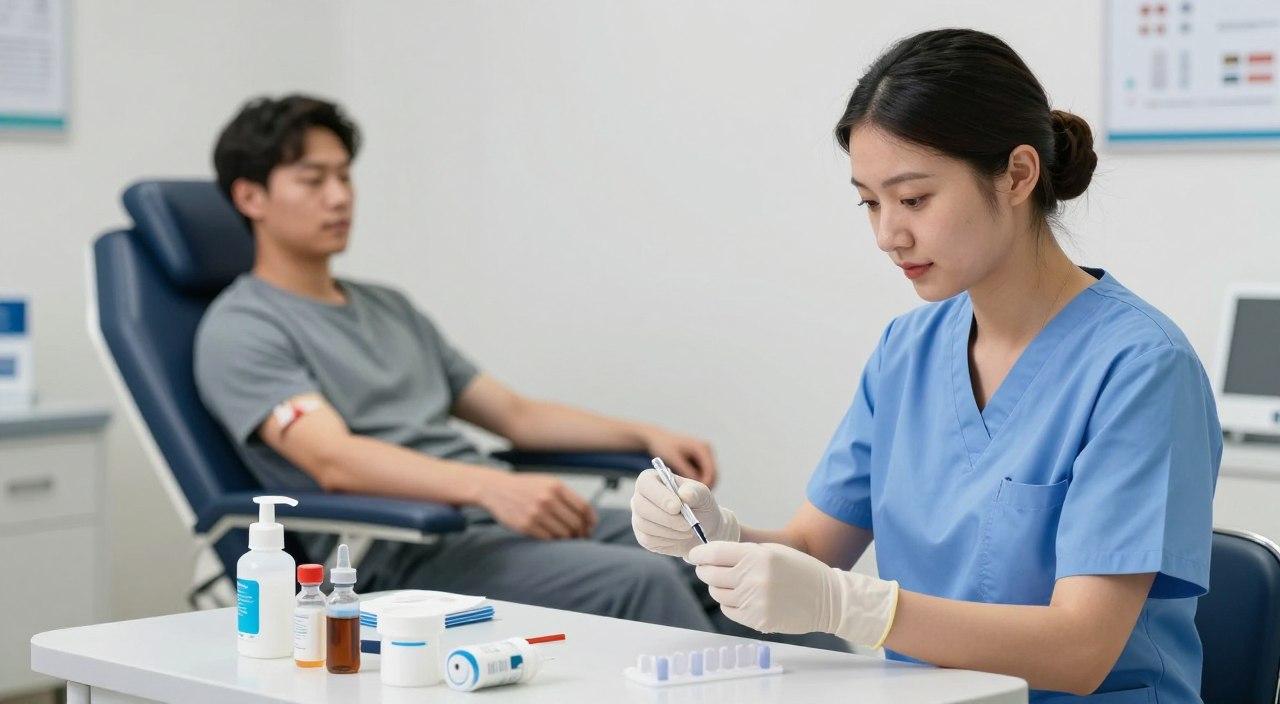
The healthcare industry is growing fast, and one job that’s really taking off is the blood draw technician. With more older people and a need for more tests, the job market for these roles is looking good.
Thinking about a career in this area? You’ll see a moderate growth rate of 8% from 2023 to 2033, says the Bureau of Labor Statistics. This growth comes from the healthcare industry getting bigger and the important role phlebotomists have in it. If you’re looking for a career with a bright future, becoming a blood draw technician could be a smart move.
The Growing Demand for Phlebotomists in Healthcare
Phlebotomists are key in patient care as the healthcare world changes fast. Their role is becoming more important. This is because of many factors affecting the industry.
Current Healthcare Trends Driving Demand
Several trends are making phlebotomists more needed. These include:
- Increased focus on preventive care
- Rise in chronic disease management
- Advancements in diagnostic testing technologies
- Growing need for lab phlebotomy entry-level positions
These trends are not just increasing demand in traditional healthcare settings. They’re also boosting the need for phlebotomists in new areas like mobile phlebotomy remote services.
Aging Population Impact on Blood Testing Needs
The aging population is greatly increasing the need for phlebotomists. Older adults need more blood tests and diagnostic procedures. This means there’s a bigger need for skilled phlebotomists.
Some key statistics show this trend:
| Age Group | Average Annual Blood Tests |
|---|---|
| 65-74 | 4-6 tests |
| 75+ | 6-8 tests |
This shift in demographics is expected to keep driving the need for phlebotomists. This is true, mainly in areas with a lot of older adults.
What Does a Phlebotomist Do? Daily Responsibilities
If you’re thinking about becoming a phlebotomist, it’s key to know what you’ll do every day. As a phlebotomist, you’ll collect blood samples, take care of patients, and make sure samples are handled right.
Core Blood Collection Duties
Phlebotomists mainly collect blood samples. They use different methods, like venipuncture, which is the most common.
Venipuncture Techniques
Venipuncture means using a needle to get blood from a vein. Phlebotomists need to know how to pick the right veins and do it safely and well.
Specialized Collection Procedures
Phlebotomists also do special blood collections. This includes getting blood from babies or people with hard-to-reach veins.
Patient Care and Sample Management
Phlebotomists do more than just collect blood. They also take care of patients and manage samples. This includes checking patient identities and handling samples right.
Patient Identification Protocols
Phlebotomists must follow strict rules to make sure blood samples are labeled right. This ensures they match the patient’s records.
Specimen Handling and Processing
Handling and processing blood samples is very important. Phlebotomists need to know how to handle, store, and transport samples correctly.
To be a good phlebotomist, you’ll need training and might get certified quickly. As a blood draw technician, you’ll help doctors diagnose and treat patients.
Phlebotomist Careers 2026: Job Outlook and Growth Projections
With more older people and a focus on staying healthy, phlebotomist jobs are growing. The healthcare world is changing fast, thanks to new tech and more people needing care. This makes now a great time to think about a career as a phlebotomist.
Bureau of Labor Statistics Projections
The Bureau of Labor Statistics says phlebotomist jobs will grow 8% by 2033. This is faster than most jobs. It shows how important phlebotomists are in healthcare.
“The aging population is a big reason why phlebotomists are in demand,” says a healthcare expert. “Older people need more tests, which means more jobs for phlebotomists.”
Industry Expansion Factors
Several things are making the phlebotomy field grow. Changes in healthcare and a push for early disease detection are key.
Healthcare System Changes
The healthcare world is changing, with more focus on tests and treatments outside hospitals. This opens up new chances for phlebotomists, who are key for blood tests.
Preventive Medicine Emphasis
More focus on staying healthy also boosts demand for phlebotomists. Blood tests help catch diseases early, making phlebotomists even more important.
As healthcare keeps changing, phlebotomists will keep being essential. With the right training, you can take advantage of the growing need for phlebotomy services. It’s a promising career for those in healthcare.
Educational Requirements for Aspiring Phlebotomists
To become a phlebotomist, you must meet certain educational requirements. These prepare you for a key role in healthcare. You’ll need a mix of basic education and specialized training.
High School Prerequisites
Your journey to becoming a phlebotomist begins in high school. You’ll need a high school diploma or its equivalent. Courses in biology, health, and math are helpful.
Phlebotomy Training Programs
After high school, you’ll need to join a phlebotomy training program. These are found at community colleges and technical schools. They last from several months to a year.
The curriculum includes both theory and practical skills. You’ll learn about blood collection and patient care.
Community College Options
Community colleges offer phlebotomy training that’s both affordable and thorough. These programs can lead to a certificate or an associate’s degree.
Technical School Programs
Technical schools also provide phlebotomy training. These programs focus on the technical skills needed for phlebotomy. They prepare you for certification exams and a career in the field.
Accelerated Learning Options
For those wanting to start their career fast, accelerated phlebotomy training is available. These programs are great for quick career changes or starting your phlebotomy career quickly. Some offer a “certification quick” pathway for faster certification.
With the rise of “mobile phlebotomy remote” services, flexible training is more important than ever.
Certification Pathways for Phlebotomy Professionals
To excel in phlebotomy, getting certified is key. It boosts your credibility and shows you care about quality patient care. As a blood draw technician, you can pick from several certification paths, each with its own rules and perks.
National Certification Organizations
Many national groups offer phlebotomy certification exams. The American Society for Clinical Pathology (ASCP), National Healthcareer Association (NHA), and American Medical Technologists (AMT) are some. Each has its own way of certifying, but they all check your skills and knowledge in phlebotomy.
ASCP Certification Process
The ASCP’s Certified Phlebotomy Technician (CPT) is well-respected in healthcare. You need to finish a phlebotomy course and meet certain education standards. The exam tests your skills in venipuncture, specimen collection, and talking to patients.
NHA and AMT Alternatives
The NHA has the Certified Phlebotomy Technician (CPT) certification, and the AMT offers the Registered Phlebotomy Technician (RPT). Both need a training program and a passing exam. These options let you pick a certification that fits your career goals.
State-Specific Requirements
While national certification is important, some states have extra rules for phlebotomists. You must check the laws in the state where you plan to work. Some states might need a license or specific certifications. It’s vital to meet these state rules to succeed in your phlebotomy career.
Knowing the different certification paths helps you make smart career choices. Whether you want “certification quick” or to move up, the right certification can lead to new chances.
- Research national certification organizations like ASCP, NHA, and AMT.
- Choose a certification that aligns with your career goals.
- Ensure you meet state-specific requirements for phlebotomists.
Essential Skills for Successful Blood Draw Technicians
To be great at drawing blood, you need both technical and soft skills. You’ll draw blood with care, making sure patients are comfortable and safe.
Technical Venipuncture Skills
Knowing how to draw blood is key. You must find the right spot, draw blood smoothly, and handle any problems that come up. Being good at different ways of drawing blood and adjusting to each patient’s body is important.
- Identify suitable venipuncture sites
- Perform venipuncture with minimal patient discomfort
- Handle difficult venipuncture cases effectively
Soft Skills for Patient Interaction
Being good with people is just as important. You must talk clearly with patients, making them feel calm during the blood draw. Being kind, patient, and clear is essential for good patient care.
“The art of phlebotomy is not just about drawing blood; it’s about making the patient feel comfortable and cared for.”
Attention to Detail and Safety Protocols
Being careful with details is vital for safe and accurate blood samples. You must follow strict safety rules, like washing your hands, wearing PPE, and labeling samples right.
| Aspect | Importance | Best Practice |
|---|---|---|
| Sample Labeling | High | Verify patient details before labeling |
| Equipment Handling | High | Regularly inspect and maintain equipment |
| Patient Preparation | High | Ensure patients are properly prepared for the procedure |
Mastering these skills will help you succeed in your career. You’ll give top-notch care to your patients and help lab phlebotomy run smoothly.
Work Environments: Where Phlebotomists Are Employed
Phlebotomists can work in many places, from hospitals to mobile healthcare services. They play a key role in healthcare, helping with patient care and diagnosis.
Hospital Settings
Hospitals are a main place where phlebotomists work. They team up with other healthcare workers to get blood samples for tests. Phlebotomists in hospitals need to handle stress well and work fast.
Diagnostic Laboratories
Diagnostic labs are also a big place for phlebotomists. They collect and prepare blood samples for tests. Phlebotomists in labs must be very careful to avoid mistakes.
Mobile and Remote Phlebotomy Opportunities
Mobile phlebotomy is a growing area. It means going to different places to get blood samples. This includes
Home Health Services
Home health services are getting more popular. They help patients who can’t go to hospitals. Phlebotomists in home health need to work alone and adapt to different homes.
Corporate Wellness Programs
Corporate wellness programs also need phlebotomists. They do health screenings and blood collection at work. This helps keep employees healthy.
Phlebotomists can work in hospitals, labs, or mobile services. There are many chances to build a good career. With more people needing healthcare, phlebotomists are in high demand.
Salary Expectations for Phlebotomists Through 2026
Thinking about a career in phlebotomy? Knowing what you can earn is key. Salaries vary based on experience, location, and where you work.
Entry-Level Compensation
Starting out, phlebotomists can make between $30,000 and $35,000 a year. The Bureau of Labor Statistics says the average is about $41,810. These jobs offer chances to grow and take on more roles as you get more experience.
Experienced Phlebotomist Earnings
With more experience, phlebotomists can earn more. They can make between $45,000 and over $60,000 a year. This depends on where you work, your location, and any special skills you have. For more salary details, check out https://nurse.org/healthcare/phlebotomy-salary/.
Geographic Salary Variations
Where you live affects your salary. Cities usually pay more because of the higher cost of living and more healthcare needs.
Highest-Paying States
- California
- New York
- Florida
- Texas
- New Jersey
Urban vs. Rural Compensation
City jobs pay more because of the cost of living and more healthcare needs. But, rural areas might pay less. Yet, living costs are also lower there. Think about the cost of living in your area when choosing a phlebotomy job.
How to Get Started: Step-by-Step Path to Becoming a Phlebotomist
If you’re thinking about a career in phlebotomy, knowing the entry requirements is key. To become a phlebotomist, you need to finish a training program and get certified. This path can open doors to a fulfilling job as a blood draw technician.
Researching Accredited Programs
The first step is to look for accredited phlebotomy training programs. These are usually found at vocational schools, community colleges, or specialized centers. Make sure the program you pick is accredited by a known agency. This is often needed for certification.
Enrollment and Training Process
After choosing a program, you’ll enroll and start the training. Phlebotomy training includes both classroom learning and practical practice.
Classroom Education Components
In class, you’ll study anatomy, physiology, and blood collection basics. This knowledge is key for understanding phlebotomy techniques and safety rules.
Hands-on Training Elements
Hands-on training lets you practice blood collection on others or mannequins. This is essential for improving your skills as a blood draw technician.
Clinical Practicum Experience
Many programs include a clinical practicum. Here, you’ll work in a real healthcare setting with experienced professionals. This experience is priceless for building your confidence and skills.
By following these steps and finishing an accredited program, you’re on your way to becoming a certified phlebotomist. This can lead to a rewarding career in a field that’s in high demand.
Lab Phlebotomy Entry: First Jobs and Gaining Experience
Starting your phlebotomy career means understanding where to begin. Getting practical experience is key to mastering the skills and confidence needed. This is vital for success in this field.
Internship Opportunities
Internships give you hands-on experience and a peek into real phlebotomy work. Many programs include internships, letting you apply what you’ve learned in real settings. A recent survey found that 80% of phlebotomy students found internships very helpful in landing their first job.
Entry-Level Positions
There are entry-level jobs in many healthcare places, like hospital phlebotomy departments and outpatient centers. These jobs help you improve your technical skills and learn from experts.
Hospital Phlebotomy Departments
Working in hospitals lets you see many medical conditions and learn different phlebotomy methods. You’ll meet patients from all walks of life and work on your communication skills.
Outpatient Collection Centers
Outpatient centers are fast-paced, perfect for improving your venipuncture skills. With lots of patients, you can get a lot of experience quickly.
| Setting | Experience Gained | Skills Developed |
|---|---|---|
| Hospital Phlebotomy | Diverse patient interaction | Venipuncture, patient care |
| Outpatient Collection | High-volume phlebotomy | Efficiency, accuracy |
Building Your Professional Portfolio
As you gain experience, creating a professional portfolio is vital. It should highlight your skills and achievements. Include your training, certifications, and any notable work in phlebotomy. A well-made portfolio can boost your job chances and lead to better opportunities.
“A strong portfolio is key to standing out in the competitive phlebotomy job market. It shows your dedication to excellence and readiness for more challenging roles.”
Mobile Phlebotomy Remote: The Growing Field of Home Services
Mobile phlebotomy remote services are changing how blood tests are done. They bring the lab to the patient’s home. This change is due to more people wanting home healthcare, an aging population, and the need for easier diagnostic tests.
Mobile phlebotomy is becoming a popular career for those who want flexible work. It offers variety and flexibility. Let’s look at the business models that support this growth.
Business Models for Mobile Phlebotomy
Mobile phlebotomy has different business models. Each offers unique chances for phlebotomists.
Independent Contractor Options
Many phlebotomists work as independent contractors. This lets them control their schedule and clients. It gives freedom but also needs business skills.
Agency Employment
Phlebotomists can also work for agencies focused on mobile phlebotomy. This job offers more stability and benefits. But, it might be less flexible than being an independent contractor.
| Business Model | Flexibility | Job Security |
|---|---|---|
| Independent Contractor | High | Variable |
| Agency Employment | Moderate | Higher |
Equipment and Logistics Considerations
Mobile phlebotomy needs special equipment and good planning. Phlebotomists need portable kits, reliable cars, and can handle different home settings.
“The key to successful mobile phlebotomy is not just the technical skill of drawing blood, but also the ability to adapt to different environments and patient needs.” – A seasoned mobile phlebotomist.
Career Advancement Opportunities Beyond Basic Phlebotomy
There are many ways to grow your career beyond basic phlebotomy. As a phlebotomist, you can take on new challenges and roles in healthcare. This can make your job more rewarding and fulfilling.
Specialized Phlebotomy Roles
Specialized phlebotomy roles can make you stand out and increase your value. You might work in pediatric or geriatric phlebotomy, or focus on specific blood collection. With more phlebotomists needed in 2026, specializing can open up better job opportunities.
Supervisory Positions
Supervisory roles are a natural step up for experienced phlebotomists. As a supervisor, you’ll lead a team, manage workflows, and help improve practices. This role needs strong leadership and organizational skills, plus a deep understanding of phlebotomy.
Related Healthcare Career Transitions
Phlebotomy experience can lead to other healthcare roles. Two big options are laboratory technology and nursing or clinical positions.
Laboratory Technology Paths
With more education and training, you can move into laboratory technology. Here, you’ll test blood samples and other fluids. Your attention to detail and sample handling skills are very useful.
Nursing and Clinical Roles
Some phlebotomists aim to become nurses or take on clinical roles. Your patient interaction and medical procedure knowledge are great starting points. Quick certification programs can help you start this journey.
| Career Path | Typical Education/Training Required | Median Salary Range |
|---|---|---|
| Specialized Phlebotomist | Certification in specialized area | $40,000 – $60,000 |
| Phlebotomy Supervisor | Several years of experience, leadership training | $60,000 – $80,000 |
| Laboratory Technician | Associate’s degree or certificate | $50,000 – $70,000 |
| Nurse | Bachelor’s degree in nursing, RN license | $70,000 – $100,000 |
Technology Advancements Changing Phlebotomy Practice
Technology is making patient care better and faster in phlebotomy. It’s changing how we keep records and collect blood. These changes are making phlebotomy more efficient.
Digital Record-Keeping Systems
Digital systems are changing how we manage patient data in phlebotomy. They make it easy to store, find, and share patient info. This cuts down on mistakes and boosts patient care.
With digital records, phlebotomists can quickly check patient histories and test results. This helps them make better decisions.
Vein Visualization Technology
Vein visualization technology is a big step forward in phlebotomy. It uses near-infrared light to find veins under the skin. This makes blood draws easier and less painful for patients.
This tech is great for patients with hard-to-find veins. It helps the elderly and those with chronic conditions.
Point-of-Care Testing Integration
Point-of-care testing (POCT) is changing phlebotomy too. POCT devices let tests be done right where patients are being cared for. This speeds up getting results and helps doctors make quicker decisions.
Phlebotomists are now doing more tests. They need to know how to use POCT devices and understand the results.
| Technology | Benefits | Impact on Phlebotomy |
|---|---|---|
| Digital Record-Keeping | Efficient data management, reduced errors | Improved patient care, streamlined workflows |
| Vein Visualization | Easier blood draws, less patient discomfort | Enhanced patient experience, increased success rates |
| POCT Integration | Rapid test results, quicker clinical decisions | Increased efficiency, expanded role for phlebotomists |
As technology gets better, phlebotomists need to keep up. They should learn about new lab phlebotomy entry rules and mobile phlebotomy jobs. This helps them stay ahead in their field.
Certification Quick: Accelerated Paths to Phlebotomy Credentials
Aspiring phlebotomists can now get certified fast through quick programs. The phlebotomy field is changing with new fast-track programs. These programs teach you the skills and knowledge you need quickly.
Fast-Track Certification Programs
Fast-track programs are intense training that shortens the usual phlebotomy course. They are perfect for those who want to start working fast.
Intensive Boot Camp Options
Intensive boot camps give you a deep, hands-on learning experience. For example, phlebotomy training courses offer detailed training in a short time.
Online/Hybrid Learning Paths
Online and hybrid learning paths are great for those who can’t go to class. They mix online classes with hands-on training. This lets you study while keeping up with other life commitments.
Exam Preparation Strategies
Getting ready for exams is key to passing. Use textbooks, online resources, and practice exams. “The key to passing the certification exam lies in thorough preparation and understanding of the exam format,” says a certified phlebotomy instructor.
“The key to passing the certification exam lies in thorough preparation and understanding of the exam format.”
Challenges and Rewards of the Phlebotomy Profession
Thinking about a career in phlebotomy? It’s key to know the ups and downs. Phlebotomists are vital in healthcare, needing technical skills, detail focus, and people skills.
Physical and Emotional Demands
Phlebotomy is tough, both physically and emotionally. You’ll stand a lot, move through busy places, and face patients who might be scared or in pain.
Preventing Burnout and Injury
To handle these challenges, phlebotomists must take care of themselves and follow safety rules. This means taking breaks, using the right equipment, and keeping up with safety tips.
Difficult Patient Scenarios
Phlebotomists deal with tough patient situations, like nervous or hard-to-work-with patients. It’s important to have good communication skills and stay calm to handle these situations well.
Professional Satisfaction Factors
Despite the tough parts, many find phlebotomy very rewarding. They feel good knowing their work helps patients. With more jobs opening up, phlebotomists can look forward to a rewarding career with chances to grow.
Phlebotomists also get to work in different places, like hospitals and labs. This variety, along with the joy of helping others, makes phlebotomy a challenging yet rewarding career.
Your Future in Phlebotomy: Taking the First Step Today
Thinking about a career in phlebotomy? It’s a great time to start. The Bureau of Labor Statistics says phlebotomist jobs will grow fast until 2026. Look for accredited training programs that let you get certified quickly.
Knowing what a blood draw technician does is key. You’ll learn to do blood draws and talk to patients. Entry-level jobs in labs will give you real-world experience. Mobile phlebotomy jobs offer flexibility.
Start by looking into certifications, like those from the American Society of Phlebotomy Technicians. It boosts your job chances and prepares you for success.
Begin today and you’ll be on your way to a fulfilling phlebotomy career. With more jobs available, your future looks bright.
FAQ
What is the job outlook for phlebotomists?
The job outlook for phlebotomists is good. The Bureau of Labor Statistics says there will be an 8% growth from 2023 to 2033.
What are the educational requirements for becoming a phlebotomist?
To become a phlebotomist, you need to finish a training program and get certified. You can start with high school, then take phlebotomy training. There are also quick learning options.
What is the role of certification in phlebotomy?
Getting certified is key to being a good phlebotomist. There are national and state-specific certifications available.
What skills are essential for successful phlebotomists?
Phlebotomists need to be skilled in venipuncture and patient interaction. They must also pay attention to safety and detail.
Where do phlebotomists work?
Phlebotomists work in hospitals, labs, and even on the go. They can work in mobile and remote settings too.
What are the salary expectations for phlebotomists?
Phlebotomists’ salaries vary based on experience, location, and where they work. Newbies and experienced phlebotomists earn differently, and salaries change by location.
How do I get started as a phlebotomist?
First, look for accredited programs. Then, follow the enrollment and training process. Don’t forget the clinical practicum experience.
What are the opportunities for lab phlebotomy entry?
There are internships, entry-level jobs, and ways to build your professional portfolio. These are all paths into lab phlebotomy.
What is mobile phlebotomy, and what are the opportunities?
Mobile phlebotomy is a growing field. It offers jobs in home health and corporate wellness. You can work as an independent contractor or through an agency.
What are the career advancement opportunities beyond basic phlebotomy?
You can move into specialized roles or become a supervisor. There are also other healthcare careers you can transition into.
How is technology changing phlebotomy practice?
New tech like digital records and vein visualization is changing phlebotomy. Point-of-care testing is also being integrated.
What are the challenges and rewards of the phlebotomy profession?
Phlebotomy can be physically and emotionally demanding. But, it also offers a sense of professional fulfillment.
How can I get certified quickly?
There are fast-track programs and strategies to help you prepare for certification exams. This can speed up your certification process.