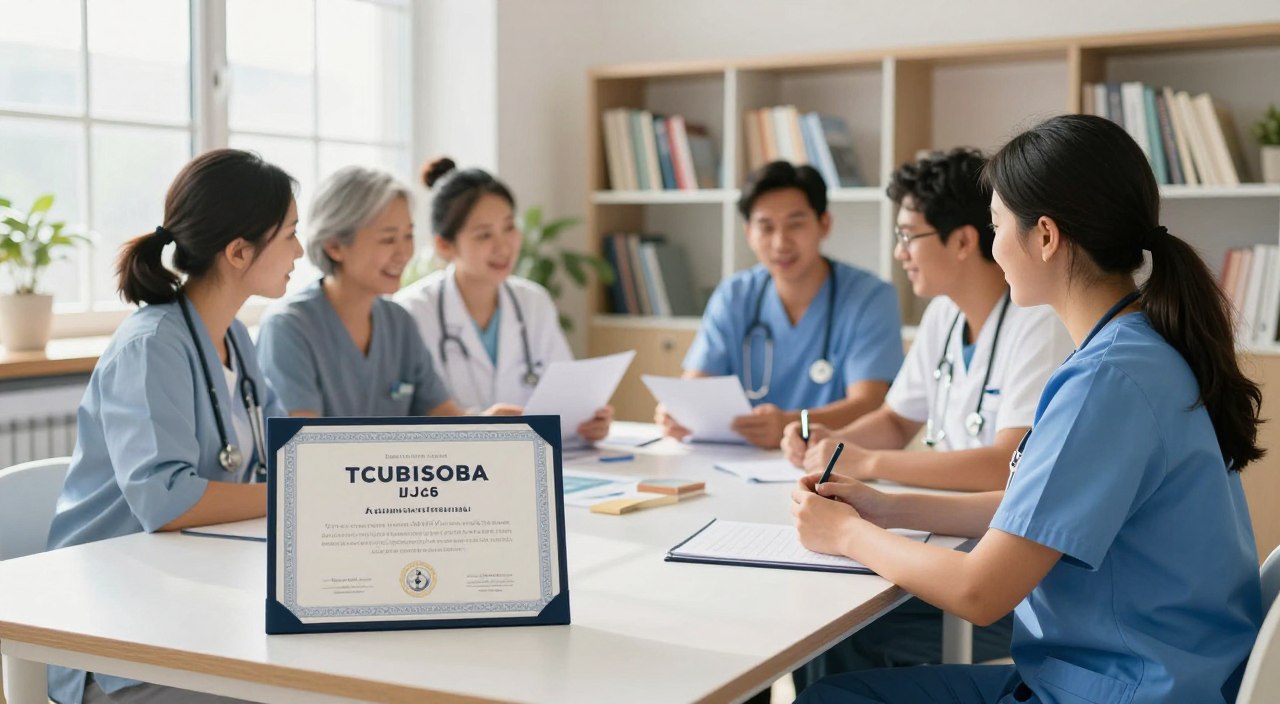
The US economy is on the verge of a big change, with healthcare leading the way. By 2034, it’s expected to add 5.2 million jobs. The need for caregivers is growing fast.
Thinking about a career in this growing field? It’s important to know about the increasing need for caregivers. There are free caregiver certification programs that can help you get the skills you need.
The job market is set to explode, making now a great time to look into this field. This guide will show you the rising demand for home health aides. It will also guide you on how to take advantage of this trend.
The Current Landscape of Home Health Care
The home health care industry is growing fast. This is because more people need care at home as they get older. This demand is creating more jobs for those who want to work in elderly care and PCA roles.
Statistics on Today’s Home Health Workforce
Today, a lot of professionals work in home health care. This shows how big and important this field is.
Current Employment Numbers
Recent data shows that jobs for home health and personal care aides will increase by 740,000 by 2024. This means there will be a lot more job openings in the future.
| Category | Number of Professionals | Projected Growth |
|---|---|---|
| Home Health Aides | 2 million | 34% increase by 2024 |
| Personal Care Aides | 1.5 million | 42% increase by 2024 |
Distribution Across Healthcare Settings
Home health care workers can be found in many places. They work in private homes, assisted living facilities, and home health agencies.
Factors Driving the Shift from Facility to Care
Several things are making people choose home care over staying in facilities. People like to stay in their own homes as they age. New medical technology makes home care easier. Plus, home care is often cheaper than staying in a facility.
Understanding the Home Health Aide Demand Through 2026
The need for in-home nursing aides is growing fast. This is due to changes in demographics and healthcare. It’s important to know what’s driving this demand.
Demographic Shifts: America’s Aging Population
The aging population is a big reason for the rise in demand for home health aides. As the baby boomer generation gets older, more people need help with daily tasks and healthcare. This shift means more people want care at home.
- Increased life expectancy
- Aging baby boomer population
- Preference for aging in place
Healthcare Policy Changes Favoring Home Care
Healthcare policy changes are also boosting demand for home health aides. There’s a push to cut healthcare costs and improve outcomes with preventive and home care. These policies will likely keep increasing the need for skilled professionals.
Post-Pandemic Preferences for In-Home Services
The COVID-19 pandemic has made people prefer in-home services, including healthcare. They want to avoid institutional care to reduce infection risks. This trend is expected to stick, with more people choosing home care and needing certified aides.
As the need for home health aides grows, those interested in this field should look into caregiver certification free programs. Knowing these factors can help you understand the opportunities and challenges in this booming field.
Job Outlook: Projections Through 2026 and Beyond
The Bureau of Labor Statistics predicts a big increase in home health aide jobs. They expect a 17% rise by 2026. This is because more people are getting older and wanting care at home.
Bureau of Labor Statistics Growth Forecasts
The Bureau of Labor Statistics sees a big jump in jobs for home health aides. This is because more seniors are living longer and preferring care at home. You can learn more about this on the Employment and Social Development Canada website.
Regional Hotspots for Home Health Aide Jobs
Some areas will need more home health aides because of their older populations. Places with more seniors will have more job openings.
| Region | Projected Growth | Current Demand |
|---|---|---|
| Northeast | 20% | High |
| South | 18% | Moderate |
| West Coast | 22% | High |
Comparison to Other Healthcare Career Growth Rates
Home health aide jobs are growing faster than many other healthcare jobs. This shows how healthcare is moving towards more home-based services.
Essential Qualifications to Become a Home Health Aide
If you’re thinking about a career in elderly care, knowing what it takes is key. You’ll need to meet certain educational standards, get the right certifications, and have specific personal traits.
Educational Requirements and Prerequisites
You don’t always need college to be a home health aide. But, a high school diploma or GED is usually required. Many also take a training program approved by their state’s health department. These programs teach you about:
- Basic care techniques
- Understanding common medical conditions
- Nutrition and meal preparation
- Medication management
Some states might ask for a certain number of training hours or a competency exam.
State-by-State Licensing Variations
Licensing for home health aides changes a lot from state to state. Some states have easy requirements, while others are much stricter.
High-Demand States with Minimal Requirements
Places like Texas and Florida need a lot of home health aides. They might have less strict rules for certification. But, always check the rules in the state you want to work in.
States with Stricter Certification Standards
In contrast, states like California and New York have tougher rules. This includes background checks, more training hours, and exams. Knowing these rules is important if you want to work there.
Personal Qualities That Lead to Success
There are also personal qualities that are key for success. These include:
- Compassion and empathy for clients
- Strong communication skills
- Patience and understanding
- Physical stamina to help with daily tasks
Having these qualities will help you give great care and connect well with your clients.
Navigating Caregiver Certification Free Options
Finding free caregiver certification can seem tough, but it’s doable. There are many free resources to help you. You can become a certified in-home nursing aide without spending a lot of money.
Government-Funded Training Programs
Government-funded training programs are a great choice for free certification. They aim to help people start careers in healthcare, like home health care.
Employer-Sponsored Certification Pathways
Many home health care jobs offer free certification training. This way, you can get certified while working, thanks to your employer.
Online Resources for Self-Paced Learning
If you like learning at your own pace, there are many online options. You can find free courses and study materials to help you pass certification exams.
Free Courses and Study Materials
Platforms like Coursera, edX, and the American Red Cross have free caregiving courses. These are great for getting ready for certification.
Preparation for Certification Exams
There are also study guides and practice exams online. These can really help you pass your certification exams.
| Certification Pathway | Description | Cost |
|---|---|---|
| Government-Funded Programs | Training programs supported by government funding | Free |
| Employer-Sponsored | Certification training provided by employers | Free to employees |
| Online Resources | Self-paced learning materials and courses | Free or low-cost |
Day-to-Day Responsibilities of Home Health Aides
Home health aides do a lot every day. They help with personal care, health checks, and emotional support. This job is growing, so it’s good to know what it involves.
Personal Care and Assistance Tasks
They help with daily tasks like bathing and dressing. They also support with moving around and walking.
Health Monitoring and Medication Management
They keep an eye on vital signs and manage medicines. They also report any changes to doctors. They make sure the client’s place is safe and clean.
Emotional Support and Companionship
They offer emotional support and company. They talk, go on outings, and do activities together. This helps the client’s mental and emotional health.
Communication Skills with Patients and Families
Good communication is very important. They need to share the client’s health and needs clearly. This is with the client and their family.
Creating Meaningful Connections
Building a good relationship with clients is key. It helps them understand what the client needs. It’s about more than just care; it’s about friendship and understanding.
| Task Category | Specific Responsibilities |
|---|---|
| Personal Care | Bathing, dressing, grooming, toileting assistance |
| Health Monitoring | Vital sign monitoring, medication management |
| Emotional Support | Companionship, conversation, activity participation |
Specialization Opportunities Within In Home Nursing Aide Roles
Exploring home health care reveals many specialization chances for in-home nursing aides. Choosing a specialty can boost your career and help you give more focused care. This is great for both your career and your clients.
Dementia and Alzheimer’s Care Specialization
Dementia and Alzheimer’s care is a key area for specialization. With more older people, the need for caregivers in this field is growing. Training here helps you manage symptoms and improve patients’ lives, supporting their families too.
Hospice and End-of-Life Care
Hospice care is another important area. In-home aides in hospice care offer support to those nearing the end of life. They need to understand pain management and emotional support, helping families through tough times.
Rehabilitation Support Services
Rehabilitation support is vital for helping patients recover from surgery, injury, or illness. Aides in this role work with physical therapists and other healthcare teams. They help implement care plans to aid in recovery and rehabilitation.
| Specialization Area | Key Skills | Career Benefits |
|---|---|---|
| Dementia and Alzheimer’s Care | Symptom management, patient support | Increased demand, specialized care opportunities |
| Hospice and End-of-Life Care | Pain management, emotional support | Compassionate care, family support roles |
| Rehabilitation Support Services | Physical therapy assistance, care plan implementation | Collaboration with healthcare teams, patient recovery support |
Specializing in these areas can greatly enhance your career as an in-home nursing aide. It also makes a big difference in your clients’ lives. As home health care demand grows, so will the chances for specialized care, promising a bright future for those in this field.
Compensation Expectations and Benefits
Thinking about becoming a home health aide? It’s important to know about pay and benefits. The need for home health aides is growing. This is because more people are living longer and wanting care at home.
Salary Ranges Across Different Settings
Home health aides work in many places. These include private homes, assisted living facilities, and hospitals. The pay can change a lot based on where you work.
- Private home care: $12-$15 per hour
- Assisted living facilities: $13-$16 per hour
- Hospitals: $15-$18 per hour
Urban vs. Rural Compensation Differences
Where you live affects your salary. Cities usually pay more because living costs are higher.
Experience-Based Pay Scales
How long you’ve been working also matters. More experienced aides get paid more. This shows their skill and value to patients.
Benefits Packages and Perks
There’s more to a job than just pay. Benefits and perks are important too. Many employers offer health insurance, vacation time, and retirement plans. Some even give flexible hours and chances to learn more.
- Health, dental, and vision insurance
- Paid time off and holidays
- Retirement plans and 401(k) matching
- Flexible scheduling options
Strategies for Negotiating Better Compensation
When it comes to pay, you should negotiate. Look up what others are making, talk about your skills and experience, and be clear about what you want. This can help you get a better deal.
Knowing about pay and benefits helps you make smart choices. With more people needing care at home, now is a great time to start this fulfilling career.
Career Advancement in Elderly Care Careers
Elderly care careers offer many chances to grow, from getting special certifications to leading teams. As a home health aide, you can use your experience and skills to take on more challenging roles.
Pathways to Becoming a Certified Nursing Assistant
Becoming a Certified Nursing Assistant (CNA) is a clear path for home health aides. This job involves more direct care for patients. It’s a great step towards more nursing education. Many schools offer CNA training.
Transitioning to Licensed Practical Nursing
With more education and training, you can become a Licensed Practical Nurse (LPN). LPNs give basic medical care under doctors and nurses. You need to finish an LPN program and pass the NCLEX-PN exam.
Management and Administrative Opportunities
Experienced home health aides can also lead in home care agencies. These roles include managing staff, planning client care, and doing admin tasks. You need strong leadership and organizational skills for these jobs.
Exploring these career paths can lead to a rewarding career in elderly care. You can specialize in certain areas or take on leadership roles. There are many ways to grow professionally.
Technology’s Impact on Home Health Aide Work
The role of home health aides is changing fast thanks to new technology. With more people wanting care at home, tech is making their work better and more efficient.
Digital Documentation and Reporting Systems
Technology is changing how home health aides document patient care. They use mobile apps and electronic health records (EHRs) to track patient progress. This makes it easier to share information with other healthcare providers.
Telehealth Integration in Home Care
Telehealth is also making a big difference in home care. Home health aides can now help patients have virtual consultations with doctors. This helps patients get care without leaving their homes, which is great for those who can’t travel easily.
| Telehealth Benefits | Description |
|---|---|
| Improved Access | Patients can receive care from the comfort of their homes. |
| Reduced Hospital Visits | Telehealth reduces the need for in-person hospital visits. |
| Enhanced Monitoring | Continuous monitoring of patients’ health conditions. |
Wearable Monitoring Devices and Smart Home Technology
Wearable devices and smart home tech are also being used in home care. They help home health aides keep an eye on patients’ health and spot emergencies early. This ensures patients get help right away.
As technology keeps getting better, home health aides will likely use even more tech. This will make care for patients even better.
Analyzing PCA Jobs Growth Across Different Settings
The need for home care is rising fast. This makes it key to look at PCA jobs growth in different places. PCA roles help the elderly and those with disabilities live on their own.
Private Home Care Agencies vs. Independent Contracting
PCA jobs are on the rise in both private agencies and independent contracts. Private agencies offer steady jobs with benefits. Independent contracts give more freedom.
Recent trends show private agencies growing fast. This is because more people need organized care services.
- Private home care agencies give a stable job with benefits like health insurance and paid time off.
- Independent contracts let PCAs pick their clients and hours, which can mean more money.
Hospital-Affiliated Home Health Services
Hospital-affiliated home health services are also seeing PCA job growth. These services work with hospitals, helping care move smoothly from hospital to home.
- Hospital-affiliated agencies are known for their good reputation and often pay well.
- They also offer training and chances to grow professionally for PCAs.
Government and Nonprofit Sector Opportunities
Government and nonprofit groups also have PCA jobs. They focus on helping those who need it most.
Veterans Affairs and Military Family Services
The Department of Veterans Affairs and programs for military families hire a lot of PCAs. These jobs come with extra benefits and the chance to help those who have helped the country.
Community-Based Organization Roles
Community-based groups offer PCA services that meet local needs. They focus on care that fits the culture of the area.
In summary, PCA jobs are growing in many places, each with its own benefits. As the elderly population grows, so will the need for PCAs. This makes PCA jobs a great choice for those interested in elderly care careers.
Overcoming Challenges in the Home Health Aide Profession
Working as a home health aide comes with many challenges. You need physical strength, emotional toughness, and a strong work ethic. The job is not just about personal care. It also involves giving emotional support and keeping an eye on health.
Physical and Emotional Demands of Caregiving
The job is physically tough, requiring you to lift, bend, and stand for hours. It’s also emotionally demanding. You form close bonds with clients and deal with the stress of their complex needs.
- Physical demands include lifting and transferring clients.
- Emotional demands involve managing client relationships and stress.
Establishing Professional Boundaries
It’s important for home health aides to keep professional boundaries. This helps maintain a healthy relationship with clients. You need to set clear limits and stay detached.
Self-Care Strategies for Caregivers
To handle the job’s challenges, home health aides must focus on self-care. This means getting support from colleagues, doing things that reduce stress, and getting free training to improve skills and confidence.
By understanding the job’s demands and finding ways to manage them, you can excel in this fulfilling career. You’ll meet the increasing need for home health aides.
How to Stand Out in the Job Market
The demand for in-home nursing aides is growing. To stand out, you need to show your skills and experience. This is key in a competitive job market.
Building a Compelling Resume and Portfolio
A good resume is your first chance to impress. Make sure it highlights your relevant experience and skills.
Highlighting Relevant Experience
Include examples of your work in home healthcare. Talk about your experience with elderly patients or managing medication.
Showcasing Specialized Skills
Skills like CPR or medical software knowledge can make you stand out. Highlight these to show you’re different. Look into Canada’s job trends for healthcare aides for more opportunities.
Acing the Home Health Aide Interview
Interview prep is more than just knowing common questions. It’s about showing you understand the role and can provide quality care.
- Research the employer and understand their specific needs.
- Practice answering behavioral questions that highlight your experience and skills.
- Show enthusiasm and a positive attitude towards caregiving.
Leveraging References and Testimonials
Strong references can boost your credibility. Make sure you have professional references who can speak to your skills and work ethic. Ask previous employers or clients for testimonials to show your capabilities.
By using these strategies, you can stand out in the job market. This will help you get a position as an in-home nursing aide.
Your Roadmap to a Rewarding Career in This High-Growth Field
The need for home health aides is growing fast. This is because more people are living longer and wanting care at home. Now is a great time to start a career in elderly care.
To begin, look into certification programs. You can also get experience through internships or volunteering. Skills like good communication, empathy, and patience are key.
Think about specializing in areas like dementia care or hospice support. This can make you stand out in your career.
By following this roadmap, you can find success in a field that’s both rewarding and important. Your role as a home health aide will be vital in the future of healthcare.
FAQ
What are the typical educational requirements for becoming a home health aide?
Most states require a high school diploma or equivalent. You also need to finish a training program approved by your state’s health department.
Are there free caregiver certification programs available?
Yes, there are government-funded and online programs that offer free or low-cost certification. Some employers also provide training and certification.
What is the job outlook for home health aides through 2026?
The Bureau of Labor Statistics predicts a big growth in home health aide jobs by 2026. This is due to more older people and a preference for care at home.
What are the primary responsibilities of a home health aide?
Home health aides give personal care, check health, and offer emotional support. They bathe, dress, manage meds, and help with daily tasks.
Can home health aides specialize in specific areas of care?
Yes, they can specialize in dementia care, hospice, or rehabilitation. This can improve their skills and job chances.
How does technology impact the work of home health aides?
Technology, like digital systems and wearable devices, is changing home health care. It makes care better and more efficient.
What are the compensation expectations for home health aides?
Salaries vary by location, employer, and experience. Benefits and negotiation can also affect total pay.
Are there opportunities for career advancement in elderly care careers?
Yes, aides can become certified nursing assistants or licensed practical nurses. They can also move into management roles.
What are the challenges faced by home health aides, and how can they be overcome?
Aides face physical and emotional challenges. Setting boundaries and self-care are key to managing these issues.
How can home health aides stand out in the job market?
A good resume, a great interview, and strong references can help. These strategies make you stand out.
What is the growth prospect for PCA jobs across different settings?
PCA jobs are growing in private agencies, hospitals, and government and non-profit sectors. This is because more people want care at home.