
Do you ever feel like the ground is shifting beneath your feet at work? You are not alone. The modern professional landscape moves at a breakneck pace. This makes lifelong learning importance a reality, not just a buzzword.
Andreas Schleicher, the OECD Director for Education and Skills, says this practice is now the primary survival skill of our age. The World Bank Group also points out that job readiness requires a commitment to continuous education. This is to keep up with rapid technological shifts.
Embracing this mindset is your best strategy for career longevity. By staying curious and open to new skills, you turn anxiety into a competitive advantage. Let’s explore how you can navigate these changes and thrive in a dynamic market.
The Reality of Skills Obsolescence in the Modern Workplace
The World Economic Forum says over one billion jobs will change by 2030 because of technology. This change isn’t just about jobs disappearing. It’s about how work is changing and what skills you need to keep up.
Technological changes happen fast, making skills outdated quickly. Andreas Schleicher says, “what used to take a generation now happens in five years.” This fast pace affects many jobs, making it key to keep learning.
How Rapid Technological Shifts Change Job Requirements
Technological advancements change job needs in several ways:
- Automation: Routine tasks are automated, focusing on creativity, problem-solving, and emotional intelligence.
- Emergence of New Technologies: New tech creates new jobs and changes old ones. For example, AI and machine learning need skilled professionals.
- Changing Business Needs: Companies evolve to stay ahead, changing what they need from their employees.
The Declining Half-Life of Professional Skills
The time your skills stay current is getting shorter. Skills you learn today might become outdated quickly. To stay current, you must:
- Stay Informed: Keep up with your field’s latest.
- : Update your skills to meet new job demands.
- Be Adaptable: Be ready to change when needed.
By understanding and acting on skills obsolescence, you can keep your skills relevant in today’s workplace.
Understanding the True Importance of Lifelong Learning
The job world is always changing, making continuous education more important. Today’s jobs need more than just a degree. They require a dedication to learning and growing professionally.
Lifelong learning means being open to new ideas and challenges. It’s about having a curious and adaptable mindset. This mindset helps you stay current in a fast-changing economy.
Defining Continuous Education Beyond the Classroom
Continuous education is more than just school. It includes online courses, workshops, and self-directed learning. It’s about actively seeking ways to grow and develop.
- Online courses and certifications
- Professional workshops and conferences
- Self-directed learning through books and online resources
- Mentorship and peer learning
Why Your Degree Is Only the Starting Point
Getting a degree is just the start. The skills and knowledge from school must be kept up to date. The half-life of professional skills is declining, so ongoing learning is key to staying ahead.
- Staying competitive in the job market
- Adapting to technological advancements
- Enhancing career progression opportunities
Building Career Longevity Through Adaptability
In today’s fast-paced economy, career longevity depends on your ability to adapt and grow. The World Bank Group says investing in education is key for personal and economic growth. This shows how important it is to keep learning and adapting for long-term career success.
As you move through your career, remember that your current skills might not be enough in the future. Being able to adapt to new technologies, trends, and job needs is vital. It helps you stay relevant in the job market.
Developing a Growth Mindset for Professional Success
Having a growth mindset is essential for a long career. It means facing challenges, keeping going when things get tough, and being open to feedback and learning. With a growth mindset, you can stay ahead and set yourself up for success.
A growth mindset helps you see failures as chances to grow, not as threats. This mindset is key for dealing with the modern workplace’s complexities and staying adaptable when things change.
How Flexibility Protects You During Economic Downturns
Flexibility is vital for getting through and thriving in economic downturns. Being adaptable and open to new chances helps you tackle economic uncertainty. This might mean learning new skills, exploring different fields, or changing your career path.
When you never stop learning, you become more resilient and better equipped to handle economic storms. This proactive approach keeps you relevant and competitive, even when things get tough.
- Stay open to new learning opportunities
- Be willing to pivot in your career
- Continuously update your skills to stay relevant
By focusing on adaptability and continuous learning, you can achieve career longevity and build a fulfilling and successful career.
Leveraging Digital Platforms for Skill Acquisition
Technology keeps changing, making it essential to use digital platforms for learning. Online platforms, AI, and modular courses make education flexible and easy to access. Now, you can learn new skills anytime, anywhere, keeping you relevant in the job market.
Continuous education is vital to avoid skills obsolescence. Digital platforms lead this change. Online resources help you stay current with industry trends, giving you an edge in your career.
Utilizing Online Courses and Micro-Credentials
Online courses and micro-credentials change how we learn. You can pick courses that match your career goals. Micro-credentials show your expertise in specific areas, making you more appealing to employers.
Online learning has become more flexible and accessible. This shift allows professionals to upskill and reskill, keeping them relevant in a fast-changing job market.
“The biggest risk is not the technology itself, but the failure to adapt to it.”
The Value of Industry-Recognized Certifications
Industry-recognized certifications are valuable in today’s job market. They show your dedication to your field and your commitment to staying updated. Getting these certifications can set you apart and boost your earnings.
Here are some benefits of industry-recognized certifications:
- Enhanced credibility and reputation
- Increased job prospects and career advancement opportunities
- Demonstrated expertise and specialization
- Staying current with industry trends and best practices
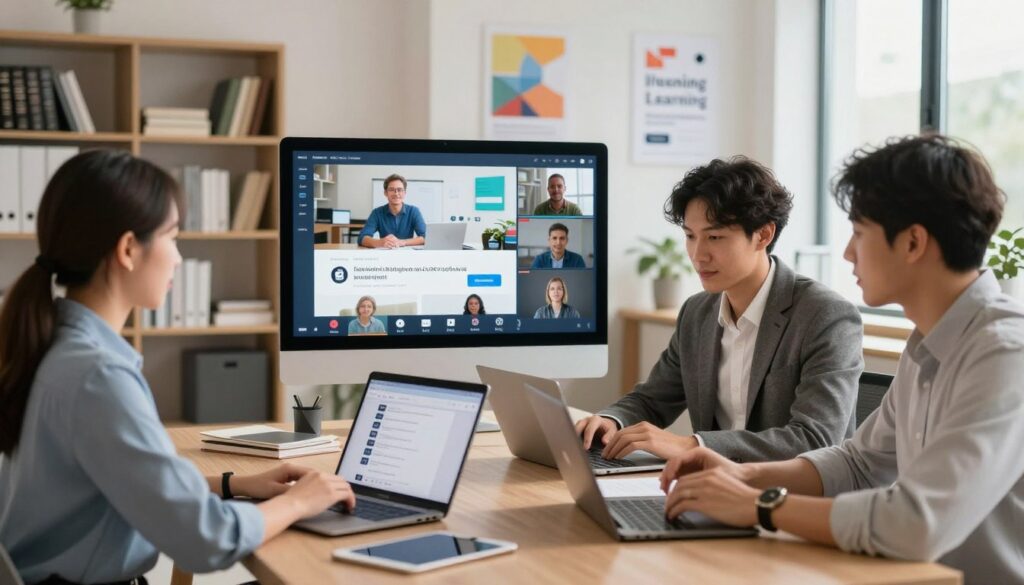
Using digital platforms for learning lets you control your career growth. Whether through online courses, micro-credentials, or certifications, the opportunities for growth are endless.
Networking as a Tool for Continuous Growth
Networking is more than just finding a job. It’s key to lifelong learning and keeping your career alive. The connections and communities you join help you adapt and grow.
Learning from Peers and Industry Mentors
Learning from peers and mentors is a great way to get insights and stay current. You can learn from their successes and failures.
- You can learn from their experiences, successes, and challenges.
- Mentors can provide guidance and support tailored to your career goals.
- Peer networks offer a platform for sharing knowledge and best practices.
By connecting with peers and mentors, you grow your network. You also open doors for learning and growing together.
Participating in Professional Communities and Forums
Joining professional communities and forums helps you keep learning.
- These platforms allow you to stay informed about the latest developments in your field.
- You can participate in discussions, ask questions, and share your expertise.
- Many forums offer access to exclusive resources, webinars, and workshops.
When learning becomes a shared value, organizations gain agility and employees feel empowered to grow alongside their company.
To get the most out of networking, try these tips:
- Be Proactive: Don’t wait for opportunities to come to you – create your own by reaching out to professionals in your desired field.
- Be Open: Be willing to learn from others, regardless of their position or experience level.
- Be Consistent: Regularly engage with your network and contribute to discussions and activities.
By following these tips and making networking a big part of your career, you’ll never stop learning. You’ll be on your way to a long and fulfilling career.
Balancing Professional Development with Your Daily Schedule
Staying relevant in your job means balancing daily tasks with learning. This balance is key for continuous education and avoiding skills obsolescence. By adding learning to your daily routine, you can advance in your career without feeling stressed.
Use micro-learning strategies to fit learning into your busy life. Micro-learning breaks down learning into small parts. This makes it easier to mix education with work and personal life.
Micro-Learning Strategies for Busy Professionals
Micro-learning can be done in many ways, such as:
- Listening to podcasts or audiobooks during your commute
- Using downtime at work for short online courses or educational videos
- Setting aside a few minutes each day for industry articles or blogs
Prioritizing High-Impact Skills for Your Career Path
To get the most from your learning, focus on key skills for your career. Find out which skills are most wanted in your field. Then, work on those skills first.
This approach boosts your professional skills. It also makes sure your learning meets your industry’s needs. This supports your career goals and helps prevent skills obsolescence.
Overcoming Common Barriers to Never Stop Learning
To stay ahead in your career, you must overcome common barriers to learning. These obstacles can slow your progress. It’s key to understand and solve these issues to keep learning.
Managing Time Constraints and Financial Costs
Time and money are big hurdles in lifelong learning. Busy lives and expenses make it hard to find time and money for learning. But, there are ways to beat these challenges.
- Use micro-learning formats for quick, easy learning sessions.
- Look for financial help like scholarships or employer programs.
- Check out online courses that are affordable and flexible.
With these strategies, you can manage time and money better. This way, you can keep learning and growing in your career.
Breaking Through the Fear of Starting Something New
Fear of starting something new is a big barrier. It’s normal to feel scared when trying something new. But, it’s important to face this fear to reach your career goals.
Here are a few ways to break through this fear:
- Start small with a new project or task that feels safe but challenging.
- Find support from friends, mentors, or online groups.
- Celebrate your wins, no matter how small, to build confidence.
By facing your fear, you open up new chances for growth. This helps you achieve career longevity by never stopping your learning journey.
Taking Charge of Your Future Through Constant Evolution
Embracing lifelong learning is key in today’s fast world. The job market keeps changing, and to stay ahead, you must keep learning. By understanding the value of lifelong learning, you can shape your future and stay current in your field.
Your degree is just the beginning. To keep growing in your career, you must be open to new skills. Use digital tools, network, and micro-learning to keep up with trends.
A recent study found that lifelong learning is vital for personal growth, career advancement, and company strength. By focusing on continuous education, you can grow professionally and achieve success. Make lifelong learning a key part of your career plan.
This approach will boost your career and keep you competitive in a changing job market. The role of lifelong learning is huge – it’s vital for reaching your highest level.