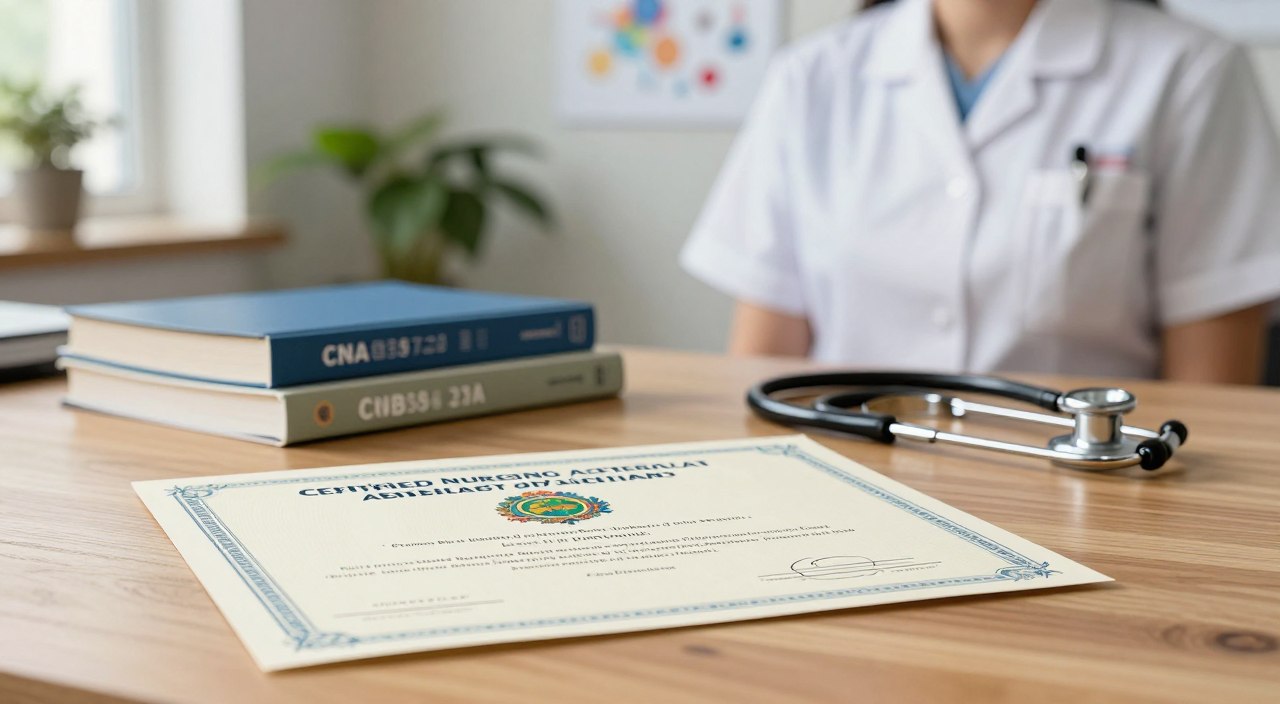
The healthcare industry is on the verge of a big change. This change is due to the growing need for healthcare services. As more people are born and the baby boomer generation gets older, the demand for skilled healthcare workers is rising.
So, what does this mean for your career? The future for nursing assistant jobs looks very bright, with a big increase in demand expected by 2026. This means more chances for people to start or grow their careers in this field. There are many paths to get a CNA certification or move up in your current job.
The job market for nursing professionals is set to change a lot. This change will bring new opportunities for those in the field.
The Current State of Nursing Assistant Careers
The need for nursing assistants is growing fast. This is because more people are getting older and needing healthcare. The aging baby boomer generation is leading to more people with chronic diseases. This means there’s a big need for healthcare support, like nursing assistants.
Employment Statistics and Trends
Jobs for nursing assistants are looking up. The Bureau of Labor Statistics says there will be more jobs in hospitals and long-term care. Here are some key points:
- More jobs for bedside care aides in hospitals and other healthcare places
- More hospital NA roles in different departments
- More support staff needed in special care units
Why Healthcare Facilities Need More Support Staff
Healthcare places need more staff to give good care. Nursing assistants help with daily tasks, so nurses can handle more complex ones. With more healthcare needs, there’s a need for more support staff to keep things running smoothly.
Understanding the Nursing Assistant Role in Modern Healthcare
Nursing assistants are key in today’s healthcare world. They help patients and doctors a lot. They do many things, from caring for patients to handling paperwork.
Core Responsibilities and Daily Tasks
Nursing assistants help patients with basic needs like bathing and dressing. They also check vital signs and help with eating and using the bathroom. They assist with moving patients around.
They also take vital signs and watch how patients are doing. They report any changes to the nursing team. Keeping patient rooms clean and safe is part of their job too.
Difference Between CNAs, PCTs, and Other Support Roles
CNA and PCT are often confused, but they’re not the same. CNAs focus on basic patient care. PCTs might do more, like ECGs and blood draws.
Certification Requirements Comparison
To become a CNA, you need to finish a training program and pass a test. PCTs might need more certifications than CNAs.
Scope of Practice Differences
CNAs mainly care for patients, while PCTs might do more technical work. Knowing these differences helps healthcare places use their staff well.
The role of nursing assistants, like CNAs and PCTs, is very important. They work in places like nursing homes and hospitals. Their work is essential for good patient care.
Nursing Assistant Openings: Growth Projections Through 2026
Looking ahead to 2026, the need for nursing assistants is set to rise. This increase is due to changes in demographics and healthcare needs. It shows how important support staff are becoming in the healthcare world.
Bureau of Labor Statistics Forecasts
The Bureau of Labor Statistics sees a big jump in healthcare jobs, including nursing assistants. They predict a 8% growth from 2020 to 2030. This is much faster than the average for all jobs.
| Occupation | 2020 Employment | 2030 Employment | Change |
|---|---|---|---|
| Nursing Assistants | 1,500,000 | 1,620,000 | +8% |
| Healthcare Support Occupations | 4,500,000 | 5,000,000 | +11% |
Demographic Factors Driving Demand
The aging population is a big reason for the need for nursing assistants. As the baby boomer generation gets older, they need more healthcare. This includes services from nursing assistants. Also, more older adults have chronic conditions, which means they need more support staff.
Regional Growth Hotspots
Some areas in the U.S. will see more growth in nursing assistant jobs. Places with a lot of older people, like Florida and Pennsylvania, will have more openings. Cities with big healthcare systems will also grow a lot.
Knowing these trends can help you plan your nursing assistant career. It can guide where to look for jobs and how to get ready for the changing healthcare world.
Essential Skills for Success as a Nursing Assistant
As a nursing assistant, you’ll need to develop both technical skills and personal qualities. These are key for providing top-notch patient care. Your role is vital in supporting patients’ daily needs and helping healthcare professionals.
Technical Skills Requirements
Nursing assistants must have specific technical skills to do their job well. These include:
- Measuring vital signs such as temperature, pulse, and blood pressure
- Assisting patients with personal care, including bathing and grooming
- Helping patients with mobility issues, such as transferring from bed to wheelchair
- Basic life support skills, such as CPR
Soft Skills That Make You Stand Out
Soft skills are also essential for success as a nursing assistant. These include:
Communication with Patients and Families
Effective communication is key to understanding patients’ needs and providing emotional support. You must listen well and share information clearly.
Teamwork in Healthcare Settings
Nursing assistants work as part of a healthcare team. It’s important to work well with nurses, doctors, and other staff to provide complete care.
How to Begin Your Nursing Assistant Education
Starting your nursing assistant education is the first step towards a rewarding career in healthcare. It begins with understanding the requirements. Many states need nursing assistants to finish a training program and get certified. This education gives you the skills and knowledge to do well in your role.
High School Prerequisites and Preparation
In high school, taking biology, health, and nutrition courses helps. These subjects prepare you for the medical concepts in your training. Also, volunteering at local healthcare facilities gives you valuable experience and insight.
Finding Accredited Training Programs
To become a certified nursing assistant (CNA), you need to find and join an accredited program. These programs are at community colleges, vocational schools, and some healthcare facilities. Make sure the program is approved by your state and includes classroom and clinical training.
CNA Certification Free: Scholarship and Grant Options
The cost of CNA training programs varies, but there are ways to help pay for it. Scholarships and grants, like those for “CNA certification free,” can help a lot. Look for local and national programs that offer financial help for aspiring CNAs. Also, check out workforce development programs in your area that might fund healthcare training.
By knowing the educational needs and looking for resources, you can start a fulfilling career as a nursing assistant. With more nursing assistant jobs available, now is a great time to begin your journey.
Step-by-Step Guide to Obtaining Your CNA Certification
Getting your CNA certification is a big step towards starting your career as a nursing assistant. This certification shows you know how to give basic care to patients. You’ll need to follow a few important steps to get certified.
Researching State-Specific Requirements
The first thing to do is find out what your state needs for CNA certification. Each state has its own rules, so knowing what’s required is key. You can check your state’s nursing board website or call them for details. Make a list of what you need, like documents and fees.
Choosing the Right Program Format
After knowing what your state requires, pick a CNA training program that works for you. There are online, in-person, and hybrid programs. Think about your schedule and how you learn best. Choose a program that’s accredited and has good reviews.
Completing Required Clinical Hours
Doing clinical hours in a healthcare setting is a big part of your training. This hands-on time helps you learn how to care for patients. Make sure your program offers enough clinical hours to meet state rules. You’ll work with experienced professionals, getting real-world experience.
Preparing for and Passing the State Exam
After finishing your training, you’ll need to pass the state CNA exam. The exam has a written or oral test and a skills test. To get ready, study what you learned in training and take practice exams. On exam day, get plenty of rest and feel confident.
By following these steps, you can get your CNA certification and start your career. Stay focused and be ready to work hard in this rewarding field.
- Research state-specific CNA certification requirements.
- Choose an accredited CNA training program that fits your schedule.
- Complete the required clinical hours to gain hands-on experience.
- Prepare thoroughly for the state CNA exam.
- Pass the state CNA exam to become certified.
Hospital NA Roles: Departments and Specializations
The hospital world offers many chances for nursing assistants to grow and specialize. You can work in different departments, each with its own challenges and benefits.
Emergency Department Opportunities
In the emergency department, you’ll face a fast-paced setting. Here, you need to think fast and care for patients efficiently. Your tasks include taking patient information, checking vital signs, and helping the medical team in emergencies.
Medical-Surgical Floor Positions
On medical-surgical floors, you’ll help patients who are recovering from surgery or dealing with ongoing health issues. Your duties might include helping with daily tasks, watching over patient health, and talking with the healthcare team.
Specialized Units: ICU, Labor & Delivery, Pediatrics
Specialized units give nursing assistants a chance to focus on specific areas. In ICUs, you’ll care for very sick patients. Labor & Delivery units require supporting new moms and babies. Pediatric units need a caring approach for children.
Additional Training Requirements
Working in specialized units might need extra training or certifications. For instance, ICU care might require knowing about advanced life-support systems.
Career Advancement Paths
Nursing assistants can move up by gaining experience in specialized areas and getting more education. This could lead to becoming an LPN or RN, or even a leader in healthcare.
| Department | Key Responsibilities | Specialized Skills |
|---|---|---|
| Emergency Department | Patient intake, vital signs, supporting medical team | Quick thinking, ability to work under pressure |
| Medical-Surgical Floor | Assisting with daily living activities, monitoring patient conditions | Communication skills, patient care |
| ICU | Caring for critically ill patients, understanding life-support systems | Advanced life-support training, attention to detail |
Knowing the different roles in hospitals helps you choose the right path for your nursing assistant career.
Long Term Care NA: Building a Sustainable Career
Thinking about a career as a nursing assistant in long-term care? You’ll find many chances to grow and learn. The aging population means more need for care in places like skilled nursing facilities and assisted living communities.
Long-term care nursing assistants are key in helping residents every day. To have a lasting career, knowing the different places and roles is important.
Skilled Nursing Facilities: Roles and Responsibilities
In skilled nursing facilities, nursing assistants work with nurses to give medical care and help with daily tasks. Their main jobs include:
- Assisting residents with bathing, dressing, and grooming
- Helping with feeding and hydration
- Monitoring vital signs and reporting changes to nurses
- Assisting with mobility and transfers
Assisted Living Communities: A Different Approach
Assisted living communities help residents with daily tasks but also want to keep them independent. Nursing assistants here:
- Provide personal care and assistance
- Support social and recreational activities
- Monitor resident well-being and report concerns
- Assist with medication reminders
Memory Care Specialization: Meeting Growing Needs
Memory care is becoming more important as people age. Nursing assistants in memory care need special training to help those with dementia and Alzheimer’s. They focus on creating a supportive space and using good communication.
Understanding the different roles and places in long-term care helps you build a rewarding career. Whether in skilled nursing facilities, assisted living, or memory care, your work is vital in giving quality care to residents.
Becoming an Effective Bedside Care Aide
Bedside care aides are key in healthcare, helping patients and doctors. Your job is vital for giving patients the care they need. To do well, you must learn many skills to meet different patient needs.
Advanced Patient Care Techniques
You need to know how to care for patients well. This means managing their hygiene, helping them move, and checking their health signs. Learning these skills makes patients’ care better.
Specialized Training Opportunities
Getting special training can make you better at your job. It makes you more confident and opens up new job chances.
Wound Care Certification
Getting wound care certified is a great choice. It teaches you how to handle and treat wounds. “Proper wound care is key for patient healing and avoiding problems,” say doctors.
Rehabilitation Assistant Skills
Learning to be a rehabilitation assistant is also important. You’ll help patients in therapy or rehab to get stronger and move better.
By improving your skills and getting special training, you can be a top bedside care aide. You’ll make a big difference in patient care.
Compensation Outlook: Salary and Benefits Through 2026
Looking ahead to 2026, the future for nursing assistants looks bright. The need for more healthcare and the growing role of nursing assistants will lead to better pay. This includes higher salaries and more benefits.
Base Pay Expectations by Setting
Nursing assistants earn different wages based on where they work. Hospitals, and those with special units, pay more than long-term care facilities. On average, they make $15 to $20 an hour in hospitals.
Regional Variations Across the United States
Where you live affects how much you earn. Places like California and New York, with higher costs, pay more. But, areas with lower costs might offer less.
| Region | Average Hourly Wage |
|---|---|
| Northeast | $18-$22 |
| South | $14-$18 |
| West Coast | $19-$23 |
Benefits Packages and Additional Compensation
Nursing assistants also get benefits like health insurance and paid time off. Large healthcare groups often offer retirement plans too. Some employers pay extra for working overtime, nights, or weekends.
The need for nursing assistants is rising. This is due to more openings in healthcare, including in hospitals. As a result, their pay is expected to keep getting better through 2026. This makes nursing a great career choice for those in healthcare.
Landing Your First Nursing Assistant Position
Now that you have your CNA certification, it’s time to find a job in healthcare. This is the start of your career as a nursing assistant. You’ll use your skills to help patients.
Creating a Standout Healthcare Resume
Your resume is your first chance to impress employers. Make it stand out by focusing on your clinical experience and certifications. Customize your resume for each job you apply to, showing the skills they want.
If you’re aiming for a long term care NA role, show your experience with elderly care. Mention any relevant certifications too.
Interviewing Successfully for Healthcare Roles
Getting ready for a nursing assistant interview is key. Learn about the healthcare facility and practice your answers to common questions. Talk about your clinical experiences and how you handle tough situations.
Show that you’re a team player and eager to learn. Being empathetic, positive, and open to learning can really impress.
Leveraging Clinical Rotations for Job Opportunities
Clinical rotations in your training can help you find jobs. They give you real-world experience and a chance to meet employers. Impress by being diligent, positive, and showing your skills.
Some facilities might even offer you a job after your training if you do well.
Career Advancement: Moving Beyond Entry-Level
With experience and more training, nursing assistants can move up in their careers. You can become a bedside care aide or a hospital NA. This opens doors to many career opportunities.
Specialized Certifications to Increase Your Value
Getting specialized certifications can boost your career. Certs in CPR, phlebotomy, or medication administration can increase your worth. They show you’re serious about growing and ready for more duties.
| Certification | Description | Potential Benefits |
|---|---|---|
| CPR Certification | Training in cardiopulmonary resuscitation techniques | Increased employability, ability to respond in emergency situations |
| Phlebotomy Certification | Training in blood sampling techniques | Expanded job responsibilities, potentially higher pay |
| Medication Administration Certification | Training in safe medication administration practices | Improved patient care, more value to employers |
Educational Pathways to LPN and RN Careers
Going for more education can lead to better jobs in healthcare. Many CNAs aim to become LPNs or RNs through special programs.
Bridge Programs and Tuition Assistance
Bridge programs help CNAs become LPNs or RNs easily. They often help with tuition costs, making your dream job more affordable.
Balancing Work and Further Education
It’s tough to work and study at the same time. But, many jobs offer flexible hours or help with tuition. This makes it easier to pursue your education.
Overcoming Challenges in the Nursing Assistant Profession
Being a nursing assistant is both rewarding and tough. It needs physical strength and emotional toughness. Knowing the challenges and how to beat them is key for success.
Physical Demands and Injury Prevention
Nursing assistants do hard tasks like lifting patients and standing for hours. To avoid injuries, use proper lifting techniques and aids. Many places offer training to prevent injuries.
| Prevention Strategy | Description | Benefits |
|---|---|---|
| Proper Body Mechanics | Training on how to lift and move patients safely | Reduces strain on muscles and joints |
| Lifting Aids | Use of mechanical lifts and other equipment | Minimizes manual lifting, reducing injury risk |
| Regular Breaks | Taking regular breaks to rest | Prevents fatigue, reducing accident likelihood |
Emotional Resilience and Preventing Burnout
The emotional side of being a nursing assistant is huge. Dealing with patient pain and stress can cause burnout. Building emotional strength through support, self-care, and stress management is essential.
Technology Transforming Nursing Assistant Work by 2026
By 2026, nursing assistants’ roles will change a lot thanks to new tech. This tech will make patient care better and help nursing assistants work faster and smarter.
Electronic Health Records Systems Proficiency
Nursing assistants need to know how to use Electronic Health Records (EHR) systems. This skill is key for keeping patient records right and sharing info with other healthcare teams. As EHRs get better, nursing assistants must learn new tech to give top-notch care.
Telehealth Support Responsibilities
Telehealth is bringing new tasks for nursing assistants, like helping with online visits and watching patients from afar. They can use their skills from cna certification free programs to do this well. This training helps them help with telehealth, making sure patients get all the care they need.
Emerging Technologies in Patient Care
New tech like artificial intelligence and wearable devices is changing how we care for patients. Nursing assistants, like bedside care aides, are leading the way in using these tools. They use them to check on patients, give care, and make care better, improving patient results.
Achieving Work-Life Balance in a 24/7 Profession
Nursing assistants face unique challenges in achieving work-life balance. Their roles are 24/7, requiring them to work nights, weekends, and holidays. This demanding schedule can affect their personal life and well-being.
Managing Shift Work and Scheduling
To manage shift work, nursing assistants should plan ahead. They can create a routine that includes rest, exercise, and social activities. It’s also key to communicate their schedules to family and friends for support.
| Shift Type | Tips for Managing |
|---|---|
| Night Shifts | Maintain a dark, quiet sleep environment during the day. Avoid caffeine and heavy meals close to sleep time. |
| Weekend Shifts | Plan social activities in advance. Use days off during the week to catch up with family and friends. |
| Holiday Shifts | Communicate with loved ones about your schedule. Plan small celebrations or virtual gatherings if you can’t be there in person. |
Self-Care Strategies for Healthcare Workers
Self-care is vital for nursing assistants to stay healthy. They should exercise regularly, eat well, and manage stress with techniques like meditation. Getting support from colleagues, supervisors, or mental health professionals is also helpful.
Your Path Forward in the Expanding Nursing Assistant Field
Thinking about a career in healthcare? The demand for nursing assistants is growing. The Bureau of Labor Statistics predicts more jobs by 2026. You’ll find many nursing assistant openings in different healthcare places.
To start as a nursing assistant, get your CNA certification. Look for programs that offer cna certification free or at a low cost. This makes it easier to begin your career.
Being a nursing assistant is both rewarding and a stepping stone for more in healthcare. As healthcare changes, the need for skilled nursing assistants will keep growing.
Knowing what the field needs and offers helps you choose your path. With the right training and certification, you’re set for a rewarding nursing assistant career.
FAQ
What is the average salary for a nursing assistant?
Nursing assistants’ salaries vary by location, employer, and experience. The Bureau of Labor Statistics reports a median annual salary of ,830 in May 2020.
How do I become a certified nursing assistant (CNA)?
To become a CNA, you need to finish a state-approved training program. This includes classroom and clinical training. Then, pass a certification exam.
What are the typical duties of a bedside care aide?
Bedside care aides help patients with personal care like bathing and dressing. They also assist with vital signs, mobility, and feeding.
What is the difference between a CNA and a patient care technician (PCT)?
CNAs and PCTs both care for patients. But, PCTs get more training in tasks like phlebotomy and basic life support.
How long does it take to complete a CNA training program?
CNA training lasts from several weeks to months. It depends on the program and state requirements.
Are there free CNA training programs available?
Yes, some groups offer free CNA training. You might have to work for them after certification. Some states also help with training costs.
What are the job prospects for nursing assistants in long-term care facilities?
Nursing assistants are in demand in long-term care facilities. The need is growing due to an aging population.
Can I specialize in a particular area as a nursing assistant?
Yes, you can specialize in areas like memory care or hospice. You might also get training in wound care or medication management.
How can I advance my career as a nursing assistant?
You can advance by getting specialized certifications or further education. This could lead to becoming a LPN or RN. Leadership roles are also available.
What are the most significant challenges facing nursing assistants today?
Challenges include physical demands, emotional stress, and limited career growth. But, self-care, education, and support can help.
How is technology changing the role of nursing assistants?
Technology is changing nursing assistants’ roles. It includes electronic health records and telehealth. These tools improve care and make workflows more efficient.